
The 21-Day Sleep Mastery Challenge: Complete Science-Backed Program
The 21-Day Sleep Mastery Challenge: Complete Science-Backed ProgramOne in three adults reports sleeping poorly, and for many people, the problem is not a lack of desire, discipline, or "trying hard enough." It is the absence of a structured, science-backed system. The 21 day sleep challeng
The 21-Day Sleep Mastery Challenge: Complete Science-Backed Program
One in three adults reports sleeping poorly, and for many people, the problem is not a lack of desire, discipline, or "trying hard enough." It is the absence of a structured, science-backed system. The 21 day sleep challenge by Astrara was created as a practical alternative to endlessly scrolling sleep tips, relying on sleep medication as a first response, or hoping that one relaxing meditation will fix months or years of restless nights.
The 21-Day Sleep Mastery Challenge is a guided, step-by-step sleep transformation program inside Astrara, designed to help you rebuild your nights through evidence-based habits, calming rituals, journaling, breathwork, and daily action tasks. In just 20 to 30 minutes per day, you will learn how to work with your circadian rhythm, reduce sleep-disrupting behaviors, calm your nervous system, and create a bedroom environment that supports deep rest.
In this complete guide, you will learn:
- Why 21 days is an effective framework for changing sleep behavior
- How the three-week sleep mastery challenge is structured
- What you will practice each day from Day 1 to Day 21
- Which sleep science principles matter most for real results
- Who the program is designed for, and who should seek extra medical support
- What you can realistically expect by Day 7, Day 14, and Day 21
- How to start your 21 day sleep program tonight with Astrara
If you are ready to stop guessing and start practicing, this guide will show you exactly how the program works.
Why 21 Days? The Science of Habit Formation
Sleep is not controlled by one single behavior. It is shaped by dozens of small signals repeated every day: when you wake up, when you see light, when you drink caffeine, when you eat dinner, how warm your bedroom is, whether you scroll in bed, how you process stress, and how consistently your body receives the message that night is for rest. That is why a 21 day sleep challenge is so powerful: it gives your body enough time to receive repeated, consistent cues without overwhelming you with a lifelong commitment from day one.
Sleep Improves When Your Body Receives Predictable Signals
Your brain is constantly reading environmental signals. Morning light tells your internal clock that the day has started. Darkness tells your brain to release melatonin. Regular meal timing helps anchor metabolic rhythms. A cooler bedroom supports the natural drop in core body temperature needed for sleep onset.
When these signals are inconsistent, your body has to guess. You may feel wired at night, groggy in the morning, hungry late in the evening, or sleepy at the wrong time. The Astrara science-based sleep program is built around removing that guesswork.
The 21-Day Framework: Enough Structure, Not Too Much Pressure
Popular culture often claims that habits take exactly 21 days to form. The reality is more nuanced. Research suggests habit formation varies depending on the behavior, the person, and the environment. Some habits become easier within a few weeks, while others require longer reinforcement. However, 21 days is an ideal challenge length because it is long enough to create momentum and short enough to feel achievable.
In the context of sleep, 21 days allows you to:
- Stabilize your circadian rhythm through consistent wake times and morning light
- Experiment with sleep variables like temperature, caffeine, alcohol, sound, and hydration
- Build a repeatable evening routine instead of relying on willpower
- Track what actually works through journaling and reflection
- Create a personal sleep playbook by the end of the program
The Circadian Rhythm and the ±1-Hour Weekend Rule
One of the most important principles in the challenge is circadian consistency. Your circadian rhythm is your internal 24-hour timing system. It influences sleepiness, alertness, hormone release, digestion, body temperature, and mood. When your wake time shifts dramatically between weekdays and weekends, your body experiences a form of "social jet lag."
The program teaches the ±1-hour weekend rule: aim to keep your weekend wake time within one hour of your weekday wake time. This does not mean you can never enjoy a relaxed morning. It means you avoid sending your body into a Monday-morning rhythm shock.
Key idea: Better sleep is not built by one perfect night. It is built through repeated timing cues that help your body trust the rhythm.
This foundation prepares you for the full three-week journey: first stabilizing your sleep, then optimizing your environment and body, and finally mastering your personal sleep strategy.
How the 21 Day Sleep Challenge Works
The Astrara 21 day sleep challenge is designed as a guided progression, not a random collection of sleep tips. Each day includes a short expert lesson, a focused action task, and a journal prompt to help you apply and measure what you learn. Across the full challenge, you receive 21 expert lessons, 4 guided meditations, 80+ action tasks, and 21 journal prompts.
Each day takes approximately 20 to 30 minutes. Some tasks are completed in the morning, such as getting outdoor light. Others happen during the evening, such as dimming lights, preparing your bedroom, or practicing a calming breathwork technique. The goal is not to add complexity to your life. The goal is to simplify sleep into a repeatable rhythm.
The Three-Week Structure
The program is divided into three themed weeks:
- Week 1, Foundation: Build the core sleep signals your body needs every day.
- Week 2, Optimization: Fine-tune your environment, breathing, movement, hydration, and recovery.
- Week 3, Mastery: Address mental load, body relaxation, blood sugar, herbal support, partner sleep, and your personal sleep playbook.
This structure matters because many people try to fix sleep from the wrong end. They buy a supplement before fixing caffeine timing. They download a meditation before addressing their light exposure. They worry about deep sleep scores before stabilizing their wake time. Astrara's approach starts with the strongest levers first, then adds refinement.
What a Typical Day Looks Like
A daily session inside the sleep transformation challenge may include:
- Expert lesson: Learn one sleep principle in clear, practical language.
- Daily action: Apply the lesson through a specific behavior or experiment.
- Guided practice: Use meditation, body scan, or breathwork on selected days.
- Journal prompt: Reflect on sleep quality, energy, mood, and obstacles.
- Micro-adjustment: Adapt your routine based on what you observe.
Real-World Example: The "Tired but Wired" Sleeper
Imagine someone who feels exhausted all day but suddenly alert at 10:30 p.m. They drink coffee at 3 p.m., work under bright lights until late, scroll in bed, and sleep in on weekends. They may think the problem is stress alone, but their body is also receiving confusing signals.
During Week 1, this person creates a consistent wake time, gets morning light, sets a caffeine cutoff, cools the bedroom, and removes late-night blue light. By Week 2, they add breathing practices and improve the bedroom environment. By Week 3, they learn how to mentally offload worries before bed. The result is not magic; it is biology responding to consistency.
If you want broader sleep education alongside the program, you can also explore Astrara's guide to sleep hygiene and practical advice on how to sleep better.
Week 1, Foundation: Build the Signals Your Body Trusts
Week 1 of the 21 day sleep program focuses on foundational sleep cues. These are the behaviors that tell your body when to wake, when to wind down, and when to release melatonin. Without these basics, advanced strategies are less effective. This first week is about restoring rhythm.
Day 1: Set Your Sleep Schedule
The challenge begins with a consistent wake time. Your wake time is often more powerful than your bedtime because it anchors your circadian rhythm. You will choose a realistic wake time and aim to keep it stable, including weekends using the ±1-hour rule.
Key insight: Consistency reduces the internal confusion that leads to grogginess, late-night alertness, and irregular sleep pressure.
Day 2: Morning Light Reset
Outdoor light is dramatically brighter than indoor light, often 10 times brighter, even on cloudy days. Morning light helps suppress residual melatonin, increase alertness, and shift melatonin timing earlier in the evening.
Action: Get outside within the first hour after waking for 5 to 20 minutes, depending on weather and light conditions.
Day 3: Meal Timing and Sleep Rhythm
Your digestive system has its own rhythms. Eating very late can keep your body metabolically active when it should be preparing for rest. In this lesson, you will observe dinner timing and how it affects sleep onset, reflux, body temperature, and overnight awakenings.
Tip: Aim to finish heavier meals at least 2 to 3 hours before bed when possible.
Day 4: Bedroom Temperature
The optimal bedroom temperature for many people is around 18 to 19°C, or 64 to 67°F. Your body naturally cools as it prepares for sleep. A room that is too warm can interfere with this process and increase restlessness.
You can learn more in Astrara's dedicated guide to the best bedroom temperature.
Day 5: Screen-Free Evening
Blue light in the 450 to 480nm range can suppress melatonin and delay sleep timing. But screens are not only a light issue, they are also a stimulation issue. Messages, videos, emails, and news can activate the brain when it needs safety and closure.
Action: Create a screen-free buffer before bed, starting with 20 to 30 minutes if a full hour feels difficult.
Day 6: Complete Darkness
Even small amounts of light can disrupt the sleep environment for sensitive sleepers. LEDs, hallway light, street lamps, and phone screens can all interfere with the darkness cue your brain expects at night.
Action: Remove or cover light sources, use blackout curtains if needed, and keep your phone away from your pillow.
Day 7: Caffeine Cutoff
Caffeine has a half-life of about 5 to 8 hours, meaning a significant amount can still be active in your system long after your last cup. The program teaches a practical noon cutoff rule as a starting point.
By the end of Week 1, you will have established the key rhythm cues that make the rest of the sleep mastery challenge more effective.
Week 2, Optimization: Fine-Tune Your Body and Bedroom
Once your foundation is in place, Week 2 focuses on optimization. This is where you begin refining the physical and sensory factors that influence sleep quality: air, breathing, exercise, hydration, sound, bedroom design, and alcohol. Many people underestimate these variables, but small changes can lead to noticeable improvements.
Day 8: Air Quality
Good sleep depends on good breathing. Stuffy rooms, allergens, dust, and poor ventilation can contribute to mouth breathing, snoring, congestion, and nighttime awakenings. You do not need an expensive setup to begin improving air quality.
Action tips:
- Ventilate your bedroom during the day when outdoor air quality allows
- Wash bedding regularly to reduce dust and allergens
- Keep pets off the pillow if allergies are suspected
- Consider an air purifier if you live in a polluted or high-allergen area
Day 9: Nasal Breathing and 4-7-8 Breathwork
Nasal breathing helps filter, warm, and humidify air. It may also improve oxygen absorption by 10 to 20% in some contexts and supports calmer breathing mechanics. The challenge introduces 4-7-8 breathing: inhale for 4, hold for 7, exhale for 8.
This technique is not a sedative; it is a nervous system cue. The extended exhale can help shift the body toward parasympathetic activity, the "rest and digest" state. You can explore the method further in Astrara's guide to 4-7-8 breathing.
Day 10: Exercise Timing
Exercise generally improves sleep quality, mood, and stress resilience. However, intense late-night workouts can elevate core temperature, adrenaline, and alertness for some people. The program helps you identify your best movement window.
Practical approach: If you struggle to fall asleep, experiment with moving intense workouts earlier and choosing gentler evening movement, such as stretching or walking.
Day 11: Hydration Rhythm
Dehydration can contribute to headaches, dry mouth, and nighttime discomfort. Overhydration close to bed can increase bathroom trips. The goal is not simply "drink more water." It is to hydrate earlier and taper intelligently.
Action: Front-load hydration earlier in the day and reduce large fluid intake in the final 1 to 2 hours before bed.
Day 12: Sound Masking
Noise disruptions are one of the most common causes of fragmented sleep. Sudden sounds are especially disruptive because the brain monitors the environment for threats during sleep. Sound masking, such as white noise, pink noise, a fan, or steady nature sounds, can reduce the contrast between silence and sudden noise.
Example: A city sleeper may not be awakened by constant traffic but may wake when a truck brakes or a door slams. A steady masking sound can make those spikes less noticeable.
Day 13: Bedroom Sanctuary
Your bedroom should cue sleep, not productivity, conflict, or stimulation. Day 13 helps you redesign the bedroom as a sanctuary: cooler, darker, calmer, less cluttered, and psychologically associated with rest.
Action: Remove work materials from the bed area, simplify visual clutter, and create a small evening ritual station with a journal, book, or calming scent.
Day 14: Alcohol-Free Test
Alcohol can make you feel sleepy, but it often damages sleep architecture. It can suppress REM sleep by up to 50%, increase awakenings, worsen snoring, and reduce restorative sleep. Day 14 invites you to run a simple alcohol-free experiment and observe the difference.
By the end of Week 2, most participants have clearer data about what disrupts their sleep, and which changes deliver the biggest return.
Week 3, Mastery: Create Your Personal Sleep Playbook
Week 3 is where the sleep transformation challenge becomes deeply personal. You have stabilized your rhythm and optimized your environment. Now the focus shifts to mental load, physical relaxation, evening nutrition, blood sugar stability, herbal support, partner sleep, and long-term integration.
Day 15: Mental Offload
Many people do not have a sleep problem as much as they have an unresolved-thoughts-at-bedtime problem. The brain uses quiet moments to surface unfinished tasks, worries, conversations, and decisions. Day 15 teaches a mental offload practice.
Action: Write down open loops before bed: tasks, worries, ideas, reminders, and decisions. Then identify one next step for anything urgent.
This tells your brain: "This is captured. You do not need to rehearse it at 2 a.m."
Day 16: Body Scan Meditation
A body scan directs attention slowly through the body, helping release tension and reduce cognitive arousal. Research suggests body scan-style relaxation can help people fall asleep up to 40% faster in some settings by reducing mental and physical activation.
Inside Astrara, you will practice guided body awareness in a way that is calm, simple, and beginner-friendly.
Day 17: Evening Foods
Food affects sleep through digestion, temperature, blood sugar, reflux, and neurotransmitter pathways. Heavy, spicy, greasy, or very late meals can be disruptive for some sleepers. Others benefit from a small, balanced evening snack if they wake hungry.
Experiment: Track whether your sleep improves with a lighter dinner, earlier dinner, or small protein-and-carbohydrate snack.
Day 18: Blood Sugar Stability
Blood sugar swings can contribute to nighttime awakenings, especially for people who eat high-sugar foods close to bed or skip meals earlier in the day. The program helps you observe patterns without obsessing over perfection.
Action tips:
- Include protein and fiber at dinner
- Avoid large sugar spikes late at night
- Notice whether waking at 3 a.m. correlates with alcohol, dessert, or skipped meals
Day 19: Herbal Support
Herbal sleep support can be helpful when used thoughtfully, but it should not replace foundations like light, temperature, and caffeine timing. The challenge discusses gentle options such as chamomile, lavender, lemon balm, or passionflower as part of an evening ritual.
Important: If you are pregnant, nursing, taking medication, or managing a medical condition, consult a qualified professional before using herbs or supplements.
Day 20: Partner Sleep
Sharing a bed can be comforting, but it can also introduce snoring, movement, temperature differences, schedule conflicts, and blanket battles. Day 20 helps you discuss sleep as a shared health priority rather than a personal complaint.
Examples: Separate blankets, white noise, different pillows, mattress adjustments, or aligned wind-down times can improve sleep for both partners.
Day 21: Personal Sleep Playbook
The final day turns your observations into a personal sleep playbook. You will identify your non-negotiables, your most powerful changes, your early warning signs, and your reset plan for difficult weeks.
This is where the challenge becomes sustainable. You are not expected to follow every rule perfectly forever. You are learning which rituals bring you back to balance when life gets messy.
What Makes This Sleep Mastery Challenge Different?
There are thousands of sleep tips online. There are meditation apps, white noise apps, sleep trackers, supplement stacks, and bedtime routines shared on social media. The problem is not a lack of information. The problem is that most information is fragmented. The Astrara sleep mastery challenge is different because it combines science, structure, reflection, and ritual into one guided 21-day path.
Science First, But Human in Practice
The program is grounded in core sleep science: circadian rhythm, melatonin timing, light exposure, caffeine metabolism, bedroom temperature, breathing, REM sleep, and nervous system regulation. However, it does not ask you to become a sleep researcher. Each lesson translates science into one clear action.
For example, instead of simply saying "avoid caffeine," the challenge explains that caffeine has a 5 to 8 hour half-life and gives you a practical noon cutoff experiment. Instead of vaguely recommending "better sleep hygiene," it guides you through darkness, temperature, screens, meals, and timing in a logical order.
Holistic Ritual Without the Hype
Astrara's approach recognizes that humans are rhythmic beings. We respond to light and dark, activity and rest, stimulation and stillness. The program includes a subtle holistic dimension by helping you create evening rituals that feel meaningful, not mechanical. Think journaling, breathwork, reflection, and calming transitions, not unrealistic promises or mystical shortcuts.
This is where Astrara's broader personal development philosophy matters. The app supports transformation through daily practices, including journaling, meditation, breathwork, and guided self-reflection. You can learn more about the app at Astrara or explore additional wellbeing resources on the Astrara blog.
Behavior Change, Not Passive Listening
Many sleep apps are primarily content libraries. They offer meditations, stories, or sounds. Those can be useful, but passive listening does not always address the root causes of poor sleep. The Astrara challenge is action-based. You will not only listen, you will practice, measure, adjust, and reflect.
Each day encourages behavioral implementation:
- Change one environmental cue
- Test one timing adjustment
- Practice one calming method
- Answer one journal prompt
- Notice one measurable outcome
A Clear Beginning, Middle, and End
Open-ended self-improvement can feel exhausting. The 21-day structure gives you a defined container. You know what to do today. You know what comes tomorrow. You know when you will review your progress. That clarity reduces decision fatigue and increases follow-through.
In short, this science-based sleep program is not just about sleeping more. It is about becoming the kind of person who understands their sleep system and knows how to support it.
What You'll Get Inside the 21 Day Sleep Program
The Astrara 21 day sleep program is built to be complete enough to create meaningful change, but simple enough to fit into real life. You do not need hours of free time, expensive equipment, or advanced knowledge. You need a willingness to practice for 20 to 30 minutes per day and observe honestly.
21 Expert Lessons
Each day includes one focused expert lesson. These lessons are designed to be practical and digestible, giving you the "why" behind each action without overwhelming you with technical jargon.
Topics include:
- Circadian rhythm and wake time consistency
- Morning light and melatonin timing
- Meal timing and digestion
- Bedroom temperature and thermal comfort
- Blue light and evening stimulation
- Caffeine metabolism and cutoff timing
- Air quality and breathing
- Exercise timing and recovery
- Alcohol, REM sleep, and sleep fragmentation
- Mental offloading and nighttime rumination
4 Guided Meditations
The program includes four guided meditations that support nervous system regulation and sleep readiness. These are not generic relaxation tracks. They are positioned strategically throughout the challenge to reinforce the week's focus.
You may use them to:
- Transition out of work mode
- Relax physical tension
- Practice body scanning
- Reduce bedtime mental chatter
80+ Action Tasks
Action tasks turn knowledge into behavior. Some are small and immediate, such as covering LED lights or setting a caffeine cutoff reminder. Others are experiments, such as testing sound masking or adjusting dinner timing.
This is one of the biggest strengths of the challenge: you are not left wondering what to do next. The program gives you a menu of evidence-informed actions and helps you apply them in a realistic sequence.
21 Journal Prompts
Sleep journaling is powerful because it reveals patterns. You might discover that late caffeine affects you more than you thought, or that morning light improves your mood before it improves your sleep. You might notice that Sunday nights are difficult because of Monday planning stress, not because your body is broken.
Journal prompts help you track:
- Sleep onset time
- Night awakenings
- Morning energy
- Mood and stress
- Evening routine consistency
- Food, caffeine, alcohol, and exercise patterns
Multilingual Access
Astrara is designed for an international community. The experience is available across multiple language versions, including English, French, Spanish, German, Italian, and Portuguese.
The result is a guided program that feels personal, practical, and easy to revisit whenever your sleep needs a reset.
Who Is the 21-Day Sleep Transformation Challenge For?
The 21-Day Sleep Mastery Challenge is designed for adults who want a structured, non-pharmaceutical first step toward better sleep habits. It is especially helpful if you know your sleep could improve, but you feel overwhelmed by conflicting advice or unsure which changes actually matter.
This Program Is For You If...
- You struggle to fall asleep because your mind feels busy at night
- You wake up tired even after spending enough time in bed
- Your sleep schedule changes dramatically between weekdays and weekends
- You rely on late caffeine, evening screens, or irregular routines
- You want a science-backed structure instead of random sleep hacks
- You enjoy journaling, meditation, breathwork, or reflective practices
- You want to understand your personal sleep triggers
- You prefer a warm, guided mobile app experience
This Program May Not Be Enough If...
It is important to be honest: not every sleep problem is solved by behavior change alone. The challenge can support better habits, but you may need medical evaluation if you experience symptoms of a sleep disorder or underlying condition.
Consider speaking with a healthcare professional if you have:
- Chronic insomnia lasting months or years with significant daytime impairment
- Loud snoring, choking, or gasping during sleep
- Suspected sleep apnea
- Restless legs symptoms
- Severe anxiety, depression, trauma symptoms, or panic at night
- Shift work disorder or complex circadian rhythm disruption
- Medication-related sleep problems
Can It Help If You Have Insomnia?
The program may help people with mild to moderate insomnia symptoms by improving sleep behaviors, reducing arousal, and creating consistent cues. However, clinical insomnia sometimes requires targeted treatment such as CBT-I, medical assessment, or professional support. Astrara's challenge can be a supportive companion, but it should not replace medical care when symptoms are severe.
The Ideal Participant Mindset
The best results come from curiosity rather than perfection. You do not need to complete every task flawlessly. You need to pay attention, practice consistently, and learn from the data your body gives you.
The goal is not to become a perfect sleeper. The goal is to understand your sleep system well enough to support it consistently.
If that approach feels empowering, the Astrara challenge is likely a strong fit.
Real Expectations: What You'll Feel by Day 7, Day 14, and Day 21
A trustworthy science-based sleep program should not promise instant perfection. Sleep changes can happen quickly for some people and gradually for others. Your results depend on your baseline habits, stress level, health status, work schedule, environment, and consistency. That said, the 21-day structure is designed to create noticeable progress in stages.
By Day 7: More Awareness and a Stronger Rhythm
By the end of Week 1, many participants begin noticing how much their daily timing affects sleep. You may not be sleeping perfectly yet, but you will likely have more awareness of your patterns.
You may notice:
- More consistent wake time
- Improved morning alertness from outdoor light
- Less evening stimulation from reduced screen exposure
- A clearer connection between caffeine and sleep onset
- A cooler, darker, more sleep-friendly bedroom
Some people feel better within the first week, especially if caffeine, screens, or inconsistent wake times were major issues. Others mainly gain clarity, which is still valuable: you cannot change what you cannot see.
By Day 14: Better Environmental Control and Fewer Disruptions
By Day 14, you have tested optimization strategies such as air quality, breathing, exercise timing, hydration, sound masking, bedroom design, and alcohol reduction. This is often when participants begin identifying their highest-impact levers.
You may feel:
- Less restless in the bedroom
- More confident using breathwork to calm down
- Fewer awakenings from temperature, sound, or hydration issues
- Clearer understanding of how alcohol affects your REM sleep
- More ownership over your evening environment
The alcohol-free test can be especially revealing. Many people discover that even moderate evening drinking reduces sleep quality more than expected.
By Day 21: A Personal Sleep Playbook
By the final day, you will have practiced enough strategies to build a personalized sleep system. You will know which habits are essential, which are optional, and which are most important during stressful periods.
You may finish with:
- A stable sleep-wake rhythm
- A practical wind-down routine
- A bedroom setup that supports rest
- Breathwork and meditation tools for difficult nights
- Journal insights about your triggers and patterns
- A reset plan for travel, stress, weekends, or busy seasons
The real win is not just "better sleep for 21 days." It is knowing how to return to better sleep when life disrupts your rhythm.
Expert Tips for Getting the Best Results from the 21 Day Sleep Challenge
To get the most from the 21 day sleep challenge, treat it as a personal experiment rather than a pass-fail test. Sleep is sensitive to pressure. The more you demand instant results, the more frustrated you may become. The most effective approach is consistent, curious, and compassionate.
Pro Strategy 1: Anchor Your Wake Time First
If you can only focus on one habit at the beginning, choose your wake time. A stable wake time anchors light exposure, meals, movement, and sleep pressure. Bedtime becomes easier to adjust once the morning is consistent.
Pro Strategy 2: Do Not Change Everything at Once Outside the Program
The challenge already gives you a structured sequence. Avoid adding ten extra hacks at the same time. If you start a new supplement, change your mattress, begin intense training, and cut caffeine completely all in one week, you will not know what helped.
Pro Strategy 3: Use Journaling as Data, Not Judgment
A sleep journal is not a place to criticize yourself. It is a pattern detector. Write down what happened, how you felt, and what you want to test next. Over time, your journal becomes your personal sleep map.
Common Mistakes to Avoid
- Chasing perfection: One bad night does not erase progress.
- Sleeping in too late after poor sleep: This can weaken your rhythm the next night.
- Ignoring caffeine timing: A 4 p.m. coffee can still affect bedtime.
- Using alcohol as a sleep aid: It may sedate you but can reduce REM sleep and increase awakenings.
- Scrolling in bed: This trains your brain to associate bed with stimulation.
- Over-tracking: Sleep scores can be useful, but anxiety over metrics can worsen sleep.
Recommended Tools and Resources
You do not need much equipment, but a few simple tools can help:
- Blackout curtains or an eye mask
- A room thermometer
- A notebook or Astrara's in-app journal prompts
- A soft bedside lamp or warm light
- White noise or pink noise if your environment is loud
- A consistent alarm placed away from the bed
For questions about the Astrara experience, privacy, or account support, you can visit Contact Astrara, review the Privacy Policy, or read the Terms & Conditions.
Step-by-Step Checklist: Start Your 21-Day Sleep Mastery Challenge Tonight
If you are ready to begin, use this simple checklist to prepare for Day 1. The goal is to reduce friction so you can start with confidence.
- Choose your wake time. Pick a realistic time you can maintain most days, including weekends within the ±1-hour rule.
- Set your morning light plan. Decide where you will go outside tomorrow morning: balcony, garden, street walk, commute, or nearby park.
- Prepare your bedroom. Tonight, reduce visible light, lower the temperature if possible, and remove obvious clutter from your sleep area.
- Set a caffeine cutoff reminder. Use noon as your starting rule. You can adjust later based on your sensitivity.
- Create a screen boundary. Choose a minimum 20-minute screen-free window before sleep. Start small if needed.
- Open Astrara and begin Day 1. Follow the lesson, complete the action task, and answer the journal prompt.
- Review without judgment. Each morning, notice what changed. Better sleep is built through feedback, not perfection.
Pro tip: Do not wait for the perfect week. Start on an ordinary night. The program is designed for real life, not ideal conditions.
Start Your 21-Day Transformation Tonight
You do not need another folder of saved sleep tips. You need a guided path that helps you take the right actions in the right order. The Astrara 21-Day Sleep Mastery Challenge gives you that path: 21 days, 20 to 30 minutes per day, expert lessons, guided meditations, action tasks, and journal prompts designed to help you understand and improve your sleep.
Inside the program, you will learn how to stabilize your rhythm, improve your bedroom environment, reduce sleep disruptors, calm your nervous system, and build a personal sleep playbook you can use long after the challenge ends.
Start your 21-day sleep transformation tonight with Astrara.
Join the 21-Day Sleep Mastery Challenge.
Conclusion: Better Sleep Begins with a Repeatable Rhythm
The 21 day sleep challenge is not about forcing yourself into a rigid routine. It is about learning the signals your body needs to feel safe, sleepy, and restored. Over three weeks, Astrara guides you through the foundations, optimizations, and mastery practices that make better sleep more achievable.
Key takeaways:
- Sleep improves when your body receives consistent timing cues
- Morning light, caffeine timing, darkness, and temperature are foundational
- Breathwork, meditation, and journaling help calm mental and physical arousal
- Alcohol, screens, late meals, and irregular schedules can disrupt sleep quality
- Your best long-term strategy is a personal sleep playbook based on real observation
If you are ready to stop guessing and start practicing, Astrara's 21-Day Sleep Mastery Challenge is built for you. Begin tonight, follow the daily steps, and let your body relearn the rhythm of deep rest.
Frequently Asked Questions
How much time per day does the 21-Day Sleep Mastery Challenge require?
The challenge takes approximately 20 to 30 minutes per day. This includes the daily expert lesson, action task, and journal prompt. Some practices, such as morning light exposure or adjusting your bedroom, happen naturally within your day rather than requiring a separate session. Guided meditations and breathwork exercises are short and practical. The program is designed for busy adults who want meaningful change without adding hours of complexity to their schedule.
Do I need any equipment for the 21 day sleep challenge?
No special equipment is required. You can complete the challenge with your phone and the Astrara app. Optional tools may improve your experience, such as an eye mask, blackout curtains, room thermometer, white noise, or a journal. However, the core program focuses on behaviors: wake time, light exposure, caffeine timing, screen boundaries, breathing, and reflection. The most important tools are consistency and honest observation.
Will the challenge work if I have insomnia?
The program may help if you experience mild or occasional insomnia related to stress, inconsistent routines, caffeine, screens, or poor sleep habits. It teaches evidence-informed practices that support sleep readiness and nervous system regulation. However, if you have chronic insomnia, severe daytime impairment, suspected sleep apnea, panic symptoms, or long-term sleep disruption, you should consult a healthcare professional. Astrara can support healthy routines, but it is not a substitute for medical diagnosis or treatment.
Is the 21-Day Sleep Mastery Challenge available in my language?
Astrara supports an international audience and is available in six languages: English, French, Spanish, German, Italian, and Portuguese. You can access the main English version at Astrara, or explore localized versions including French, Spanish, German, Italian, and Portuguese. This makes it easier to follow the program in the language that feels most natural to you.
Can I redo the sleep mastery challenge?
Yes. In fact, repeating the challenge can be very useful. Your sleep needs may change during stressful periods, travel, seasonal shifts, workload changes, or major life transitions. Redoing the program helps you reset your rhythm and update your personal sleep playbook. Many participants benefit from completing the challenge once as a full reset and returning later to specific days, lessons, meditations, or journal prompts when sleep becomes disrupted again.
What if I miss a day?
If you miss a day, do not quit or try to "make up" everything perfectly. Simply continue with the next lesson or repeat the missed day if it feels important. Sleep improvement depends on consistency over time, not flawless completion. The challenge is designed for real life, which includes late nights, travel, family responsibilities, and unexpected interruptions. Use missed days as information: what disrupted your rhythm, and how can your sleep playbook support you next time?
How is this different from sleep apps like Calm or Headspace?
Calm and Headspace are well-known meditation and relaxation apps, and many people find them helpful. Astrara's 21-Day Sleep Mastery Challenge is different because it is a structured sleep behavior program, not only a content library. It combines expert lessons, guided meditations, breathwork, action tasks, and journaling across a 21-day progression. You do not just listen to relaxing audio; you actively change the habits, timing cues, and environmental factors that influence your sleep.
Why does the program focus so much on morning light?
Morning light is one of the strongest signals for your circadian rhythm. Outdoor light is often around 10 times brighter than indoor light, even on cloudy days. When your eyes receive bright natural light early in the day, your brain gets a clearer signal that daytime has begun. This helps regulate alertness and can shift melatonin release earlier at night, making it easier to feel sleepy at the right time. It is one of the simplest and most powerful sleep habits.
What is the best bedroom temperature for sleep?
For many people, the ideal bedroom temperature is around 18 to 19°C, or 64 to 67°F. Your body naturally lowers core temperature as part of the sleep process, and a cooler room supports that transition. If the room is too warm, you may experience restlessness, sweating, or more frequent awakenings. Personal preference, bedding, hormones, and climate matter, but cooling the room is one of the most effective sleep environment upgrades.
Why is caffeine timing so important?
Caffeine can remain active in your system for many hours. Its half-life is typically around 5 to 8 hours, which means an afternoon coffee may still affect your brain at bedtime. Even if you can fall asleep after caffeine, it may reduce sleep depth or increase restlessness. The challenge uses a practical noon cutoff rule as a starting experiment. Some people can tolerate caffeine later, while sensitive sleepers may need an even earlier cutoff.
Does alcohol really affect sleep that much?
Yes. Alcohol may make you feel sleepy at first, but it can disrupt sleep architecture later in the night. It may suppress REM sleep by up to 50%, increase awakenings, worsen snoring, and reduce overall sleep quality. Many people mistake alcohol-induced sedation for good sleep, but they wake feeling less restored. The challenge includes an alcohol-free test so you can observe your own response instead of relying on general advice.
What is 4-7-8 breathing, and why is it included?
4-7-8 breathing is a calming breathwork technique: inhale for 4 counts, hold for 7 counts, and exhale for 8 counts. The long exhale can help signal safety to the nervous system and support relaxation before sleep. The program also emphasizes nasal breathing, which helps filter and humidify air and may improve oxygen absorption. This practice is simple, portable, and useful on nights when your mind or body feels activated.
Will I need to follow all 21 habits forever?
No. The purpose of the challenge is not to burden you with a permanent checklist. It is to help you discover which habits matter most for your body. By Day 21, you will create a personal sleep playbook that identifies your non-negotiables, optional supports, and reset strategies. Some people may only need consistent wake time, morning light, caffeine cutoff, and a screen boundary. Others may rely more on breathwork, journaling, or sound masking.
FAQ
Quotes for “The 21-Day Sleep Mastery Challenge: Complete Science-Backed Program”
“Sleep is the single most effective thing we can do to reset our brain and body health each day.”
Matthew Walker, Why We Sleep“
Sleep is that golden chain that ties health and our bodies together.”
Thomas Dekker, English dramatist and author
Dreaming permits each and every one of us to be quietly and safely insane every night of our lives.”
William C. Dement, sleep researcher and author of The Promise of Sleep
“Early to bed and early to rise makes a man healthy, wealthy, and wise.”
Benjamin Franklin, Poor Richard’s Almanack“Sleep is not an optional lifestyle luxury.
"Sleep is a non-negotiable biological necessity.”
Matthew Walker, neuroscientist and sleep expert
Recommended Books for a Science-Backed Sleep Mastery Program
Why We Sleep: Unlocking the Power of Sleep and Dreams by Matthew Walker
- A widely known introduction to the science of sleep, covering how sleep affects memory, emotional regulation, immune function, metabolism, aging, and performance. This is a strong foundational read for understanding why a 21-day sleep reset can improve both mental and physical health.
The Sleep Solution: Why Your Sleep Is Broken and How to Fix It by W. Chris Winter
- Written by a neurologist and sleep specialist, this book explains common sleep problems in practical language. It is especially useful for readers who struggle with insomnia, inconsistent sleep schedules, racing thoughts, or poor sleep habits.
Say Good Night to Insomnia by Gregg D. Jacobs
- A practical guide based on cognitive behavioral therapy for insomnia, often considered one of the most effective non-drug approaches for chronic sleep problems. It offers techniques for changing thoughts, behaviors, and routines that interfere with sleep.
The Circadian Code by Satchin Panda
- This book focuses on circadian rhythms, light exposure, meal timing, exercise timing, and daily routines. It is highly relevant for a 21-day challenge because it shows how consistent timing can help reset the body’s internal clock.
The Promise of Sleep by William C. Dement and Christopher Vaughan
- Written by one of the pioneers of modern sleep medicine, this book explores sleep debt, dreams, sleep disorders, and the serious health consequences of poor sleep. It provides historical and scientific context for why sleep deserves priority.
The Sleep Revolution: Transforming Your Life, One Night at a Time by Arianna Huffington
- A reader-friendly book that combines research, cultural analysis, and personal reflection. It is useful for discussing the modern sleep crisis and encouraging readers to treat sleep as a core pillar of success, health, and well-being.
Hello Sleep: The Science and Art of Overcoming Insomnia Without Medications by Jade Wu
- A practical, compassionate guide to improving sleep using evidence-based principles, especially for people dealing with insomnia. It helps readers understand sleep anxiety, behavioral patterns, and how to rebuild confidence in their natural ability to sleep.
Written by
Didier
Related Posts
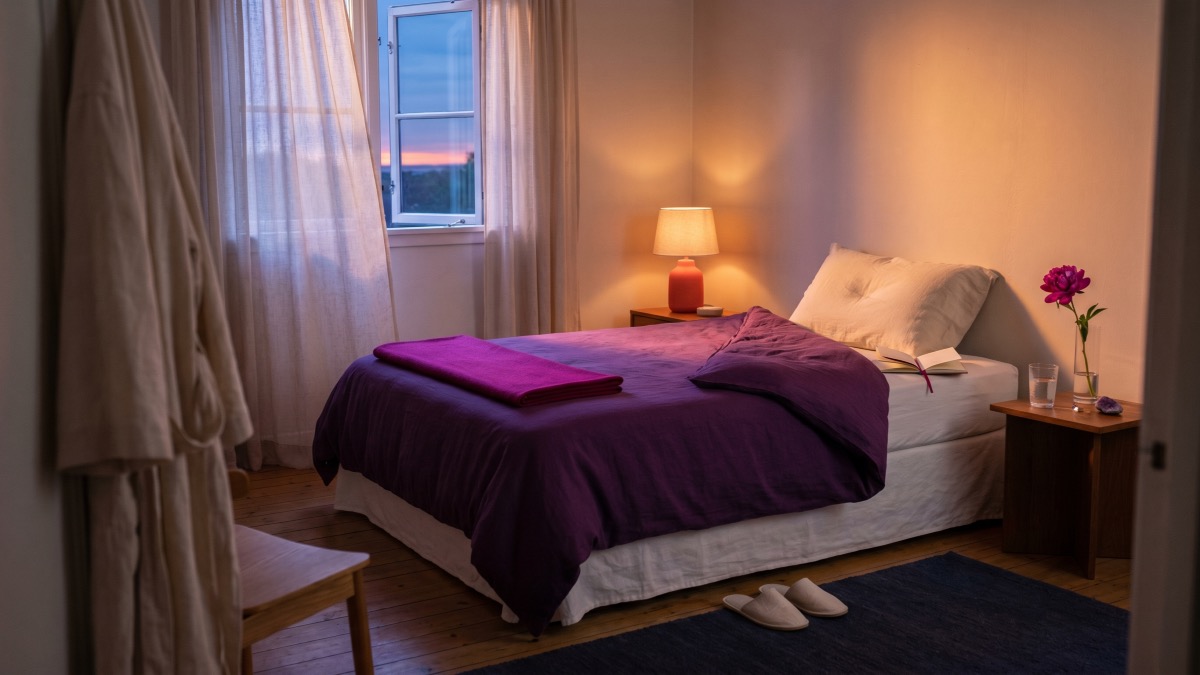
The Ideal Bedroom Temperature for Sleep (It's 65°F / 18°C Here's Why)
The Ideal Bedroom Temperature for Sleep: The Best Bedroom Temperature for Sleep Is 65°F / 18°C — Here’s Why The best bedroom temperature for sleep is about 65°F / 18°C, with an ideal range of 64–67°F / 18–19°C for most adults. That number is not random. Your body is biologically designed to cool do

What Time Should You Stop Drinking Coffee for Better Sleep?
What Time Should You Stop Drinking Coffee for Better Sleep? When to stop drinking coffee for better sleep? For most people, the best caffeine cutoff time is noon. That means no regular coffee, espresso, energy drinks, pre-workout, or strong caffeinated tea after 12:00 p.m. if your goal is deeper, m

Sleep Hygiene: 21 Habits Backed by Science to Transform Your Sleep
Sleep Hygiene: 21 Habits Backed by Science to Transform Your Sleep Sleep hygiene is not about forcing yourself to fall asleep, lying in bed with your eyes squeezed shut, or “trying harder” to rest. It is the set of daily habits, evening rituals, and bedroom conditions that make high-quality sleep e