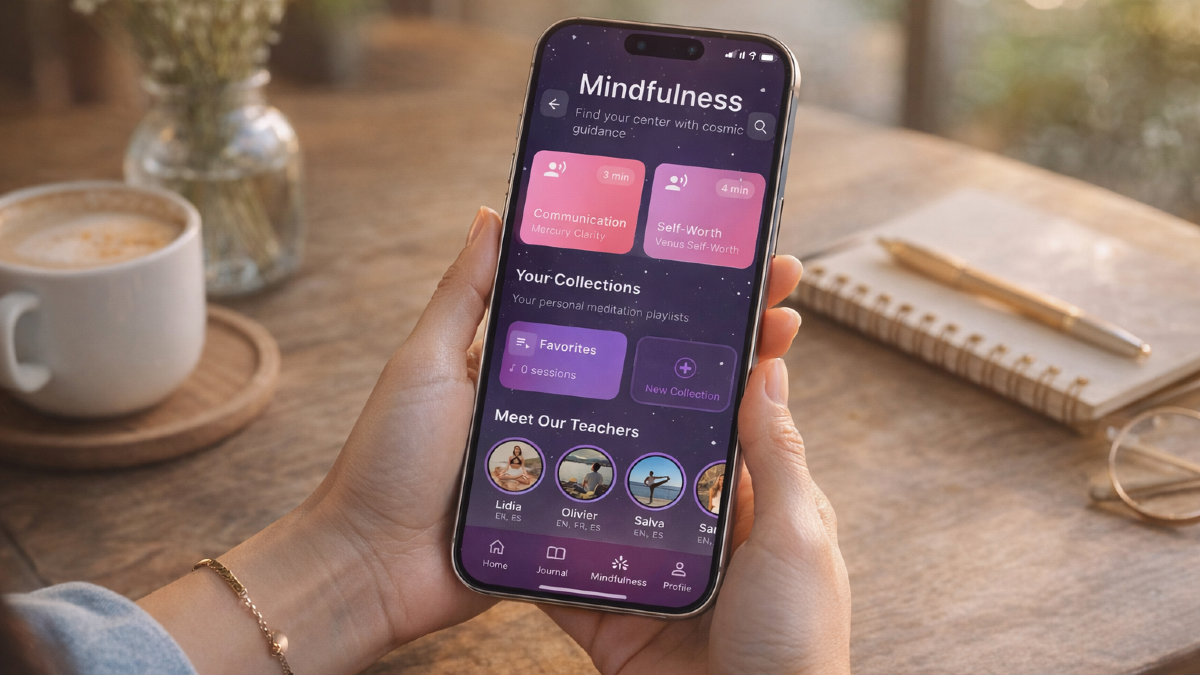
Meditation for Beginners: How to Start Meditating Daily (Even If You Can’t Sit Still)
How to Learn Meditation as a Beginner: Your Personal Journey to Inner Peace Hey there! So, you've decided to dip your toes into the world of meditation? That's awesome! Honestly, it's like discovering a hidden sanctuary within yourself.
How to Learn Meditation as a Beginner: Your Personal Journey to Inner Peace
Hey there! So, you've decided to dip your toes into the world of meditation? That's awesome! Honestly, it's like discovering a hidden sanctuary within yourself. Imagine finding a quiet little oasis amid the chaos of everyday life. But you might be wondering, "Where do I even start?" Well, let’s sit down with a cup of coffee (or tea, if you prefer) and explore this together.
Why Meditate? The Benefits Are Real
Before we dive into the 'how,’ let's talk about the ‘why.’ Meditation is not just about sitting cross-legged like a yogi from a movie. It's about grounding yourself in the present moment. We’re often caught in a whirlwind of our thoughts—plans, worries, what Netflix show to binge next. Meditation gives you a pause button. It's scientifically proven to reduce stress, enhance focus, and even improve sleep. Imagine being the epitome of calm in this hectic world. Tempting, right?
Getting Started: Set the Stage
Starting something new can feel overwhelming, I know. But meditation doesn’t have to be complicated. Here’s a simple analogy: think of your mind as a messy room. Meditation is like tidying it up, bit by bit.
- Find Your Space: Pick a quiet spot in your home where you feel comfortable and won’t be disturbed. It doesn’t have to be fancy—a corner with a mat or a cushion works just fine.
- Decide on Your Time: Mornings are great because they set the tone for the day. But honestly, anytime you’re free works. The key is consistency.
- Get Comfortable: Sit or lie down in a position that doesn’t scream discomfort. You’re not aiming to emulate a pretzel, just be yourself.
Let’s Meditate: A Simple Approach
Alright, you’re all set up. Now what? Let’s start with the basics.
- Focus on Your Breath: Close your eyes gently and take a few deep breaths. Inhale... Exhale... Just watch your breathing without trying to change it. Simple, right? It’s the foundation of most meditation practices.
- Acknowledge Thoughts, Then Let Them Go: Your mind will wander, guaranteed. It’s like a puppy—curious and easily distracted. When you notice this happening, just gently bring your focus back to your breath.
- Start Small: Begin with just five minutes. Use a timer to avoid peeking at the clock. Gradually increase the duration as you grow more comfortable.
And voila! You’re meditating. Don’t worry if it feels weird or if you think you’re not “doing it right.” Remember, there’s no perfect way when you're starting out.
Guided Meditations: Your Personal Trainer
Sometimes, having a guide can make things easier. Think of guided meditation as having a personal trainer who tells you what to do. There are loads of free resources online—YouTube videos, apps like Headspace or Calm. They’re great for keeping you on track and introducing you to different styles of meditation.
Common Misconceptions: What Meditation Isn’t
Let’s clear up some clouds here. Meditation isn’t about emptying your mind or reaching some esoteric enlightenment. It's more about being present and aware. You’re gently training your mind to focus, and that’s pretty powerful in its simplicity. Also, you don’t need to meditate for hours. Even a few minutes can be beneficial.
Stay Consistent: Build Your Routine
Like any new habit, consistency is key. It's like brushing your teeth or having morning coffee. Make meditation a part of your routine and watch as it weaves its magic into your daily life. You might start noticing subtle changes—more patience, less stress, or just a little more clarity.
Connect with a Community: You’re Not Alone
Sometimes sharing your experiences with others can motivate and inspire you. Look for local meditation groups or online communities. You might even make a few friends who are on a similar journey. Plus, swapping tips and motivational stories could be the boost you need on days you feel like giving up.
FAQ
1. How long should I meditate each day?
As a beginner, start with just five minutes and gradually increase the time as you become more comfortable. The most important aspect is consistency rather than duration.
2. What if I can't stop my thoughts during meditation?
It's completely normal for the mind to wander. The goal is not to eliminate thoughts but to notice when they're happening and gently bring your attention back to your breath. Over time, you'll find it easier to focus.
3. What's the best time of day to meditate?
There's no one-size-fits-all answer. Mornings can be great to set the tone for the day, while evening meditations can help you unwind. Experiment with different times to see what fits your schedule and feelings best.
4. Do I need to sit cross-legged on the floor?
Not at all! The key is comfort. You can sit on a chair, a cushion, or even lie down. The focus should be on staying alert and present, not on perfect posture.
5. Can meditation help with anxiety and stress?
Yes, many studies have shown that regular meditation can reduce anxiety and stress levels. By practicing mindfulness, you train your mind to remain calm and clear, even in stressful situations.
6. Is it okay to use background music for meditation?
Definitely! Soft, instrumental music or nature sounds can enhance the experience for some people. The goal is to create a soothing environment where you can focus inward.
So there you have it! Embarking on your meditation journey is a step towards discovering a calmer, more focused you. Remember, like any skill, meditation takes time and patience, but it can transform the way you interact with the world. Ready to give it a go? Let’s breathe in, breathe out, and begin! ```
Expert Quotes on Learning Meditation as a Beginner
“You should sit in meditation for twenty minutes every day — unless you’re too busy. Then you should sit for an hour.”
— Zen proverb (popularized by Thích Nhất Hạnh and other Zen teachers) “The thing about meditation is: You become more and more you.”
— David Lynch, filmmaker and author of Catching the Big Fish “Meditation is not evasion; it is a serene encounter with reality.”
— Thích Nhất Hạnh, Zen master and author of The Miracle of Mindfulness “You don’t have to control your thoughts. You just have to stop letting them control you.”
— Dan Harris, journalist and author of 10% Happier “The goal of meditation isn’t to control your thoughts, it’s to stop letting them control you.”
— Jon Kabat-Zinn, creator of Mindfulness-Based Stress Reduction (MBSR)
Book Recommendations for Beginners Learning Meditation
1. The Miracle of Mindfulness: An Introduction to the Practice of Meditation by Thích Nhất Hạnh
A gentle, accessible introduction to mindfulness meditation from a renowned Zen master. The book uses simple stories and practical exercises to show how to bring awareness into everyday activities—washing dishes, walking, breathing—making it ideal for absolute beginners.
2. Wherever You Go, There You Are: Mindfulness Meditation in Everyday Life by Jon Kabat-Zinn
Written by the founder of Mindfulness-Based Stress Reduction, this book breaks meditation into short, clear chapters. It explains what mindfulness is, how to practice it in daily life, and offers straightforward meditations that don’t require any spiritual background.
3. 10% Happier: How I Tamed the Voice in My Head, Reduced Stress Without Losing My Edge by Dan Harris
A practical, skeptical-friendly entry point for beginners. Harris shares his personal story of anxiety and burnout, then explains how he discovered meditation, what science says about it, and how to start a simple practice without adopting any particular belief system.
4. Mindfulness in Plain English by Bhante Henepola Gunaratana
A classic, no-nonsense guide to meditation. Bhante G. explains the basics of mindfulness (Vipassana) meditation in very clear language, addressing common obstacles like restlessness, boredom, and doubt—perfect for beginners looking for structure and depth.
5. How to Meditate: A Practical Guide to Making Friends with Your Mind by Pema Chödrön
A warm, compassionate introduction to meditation that focuses on being kind to yourself while you learn. Chödrön walks through posture, breath, working with thoughts and emotions, and how to stay consistent when practice feels difficult or uncomfortable.
Written by