
How to Sleep Better: The Complete Science-Based Guide (21 Proven Levers)
How to Sleep Better: The Complete Science-Based Guide Meta title: How to Sleep Better: 21 Science-Backed Levers | Astrara Meta description: Learn how to sleep better with 21 science-backed levers for timing, environment, body and mind. Improve sleep quality naturally. URL slug: /how-to-sleep-better
How to Sleep Better: The Complete Science-Based Guide
Why Most “Sleep Tips” Don’t Work
The reason many people struggle to figure out how to get better sleep is not because the tips are wrong. It is because they are incomplete. A single tactic like buying blackout curtains or drinking chamomile tea can help, but sleep is regulated by multiple biological systems at once. If your room is dark but your caffeine cutoff is too late, your nervous system may still be stimulated. If you meditate at night but scroll in bed for 45 minutes, your brain still learns that the bed is a place for alertness. If you go to bed early but wake at inconsistent times, your circadian rhythm remains confused.
Sleep Is a System, Not a Switch
Your body does not “decide” to sleep because you want it to. Sleep emerges when several conditions align: your brain has built enough sleep pressure, your circadian rhythm is signaling nighttime, your core body temperature is dropping, your stress hormones are low enough, your environment feels safe, and your mind is not actively problem-solving.
This is why a systems approach matters. Instead of asking, “What is the one thing that will fix my sleep?” ask, “Which levers are currently sending my body the wrong message?” The 21-lever method works because it covers the three major categories that determine sleep quality:
- Timing and rhythm: cues that set your body clock
- Environment: conditions that make sleep biologically easier
- Body and mind: internal states that regulate relaxation and recovery
The Problem With Random Sleep Hygiene
Traditional sleep hygiene advice often sounds simple: keep your room cool, avoid screens, and relax before bed. But most people fail to apply these habits consistently because they are trying to change too much at once or because they choose habits that do not match their real sleep bottleneck.
For example, someone who wakes at 3 a.m. may not need a new pillow. They may need better blood sugar stability, less evening alcohol, or a clearer mental offload routine. Someone who cannot fall asleep may need morning light, an earlier caffeine cutoff, or a nervous-system downshift. Someone who sleeps eight hours but wakes tired may need to investigate sleep apnea, fragmented sleep, or poor REM sleep.
Real-World Example: The “Perfect Bedroom” That Didn’t Fix Sleep
Imagine a high-performing professional who invests in a premium mattress, blackout curtains, and a white noise machine but still lies awake until midnight. The missing piece? They drink coffee at 3 p.m., work under bright lights until 10 p.m., and review stressful messages in bed. Their environment improved, but their timing and nervous system remained misaligned.
Actionable takeaway: Do not start with the most expensive solution. Start by auditing the system. Ask: Is my body clock stable? Is my environment sleep-friendly? Is my nervous system calm? The rest of this guide shows you exactly how.
The Science of Sleep in 90 Seconds
To understand how to sleep better, you do not need a neuroscience degree. But you do need to understand four key players: circadian rhythm, adenosine, melatonin, and cortisol. Together, they determine when you feel sleepy, how deeply you sleep, and whether you wake restored or groggy.
Circadian Rhythm: Your 24-Hour Body Clock
Your circadian rhythm is an internal timing system that influences sleep, body temperature, digestion, hormone release, alertness, and mood. It is strongly shaped by light. Morning light tells your brain, “The day has started,” which helps anchor your sleep-wake cycle and supports melatonin release later in the evening.
When your wake time changes dramatically from day to day, your brain receives mixed signals. This is one reason “social jet lag” staying up late and sleeping in on weekends can make Monday mornings feel brutal.
Adenosine: Your Sleep Pressure Molecule
Adenosine builds up in the brain while you are awake. The longer you are awake, the more sleep pressure accumulates. Caffeine works partly by blocking adenosine receptors, which is why you can feel alert even when your body is biologically tired. But caffeine does not erase sleep pressure; it masks it.
Because caffeine has a half-life of roughly five to eight hours in many adults, a mid-afternoon coffee can still affect sleep onset and deep sleep at night.
Melatonin: The Darkness Signal
Melatonin is often called the sleep hormone, but it is more accurate to call it the “darkness signal.” It helps tell your body that night has arrived. Bright light, especially blue-enriched light in the 450–480 nanometer range, can suppress melatonin and delay sleep timing.
Cortisol: The Morning Activation Hormone
Cortisol naturally rises in the morning to help you wake up. But when stress remains high at night, cortisol can interfere with sleep onset and contribute to middle-of-the-night wake-ups. This is why relaxation practices, journaling, breathwork, and emotional decompression are not “soft” habits—they are biological sleep levers.
Sleep Stages: Deep Sleep and REM Sleep
Your sleep cycles through light sleep, deep sleep, and REM sleep. Deep sleep supports physical restoration, immune function, and memory consolidation. REM sleep is strongly linked with emotional processing, learning, and creativity. Alcohol, stress, irregular timing, and sleep fragmentation can reduce the quality of these stages even if your total time in bed looks adequate.
Actionable takeaway: Better sleep is not just “more hours.” It is better rhythm, stronger sleep pressure, lower nighttime stimulation, and fewer disruptions across the night.
How to Sleep Better by Mastering Your Timing: Category A
Timing is the foundation of better sleep because it sets the body clock. If your rhythm is inconsistent, every other sleep habit becomes harder. These six levers align your circadian rhythm, improve sleep pressure, and help your brain predict when to become alert and when to wind down.
1. Keep a Consistent Sleep Schedule
The most powerful timing habit is a consistent wake time. Your body loves predictability. Going to bed and waking up within roughly the same one-hour window helps stabilize your circadian rhythm, making it easier to fall asleep and wake naturally.
Science: Irregular sleep patterns are associated with poorer sleep quality, daytime sleepiness, and metabolic disruption. Even if total sleep time is similar, inconsistent timing can reduce how restorative sleep feels.
What to do: Choose a realistic wake time you can keep seven days a week. Use the ±1 hour rule: avoid shifting your bedtime or wake time by more than one hour, even on weekends.
Measurable signal: Within 7–10 days, you should notice sleepiness arriving more predictably at night and less grogginess in the morning.
2. Get Morning Light Within 30 Minutes of Waking
Morning light is one of the strongest cues for your circadian rhythm. It tells your brain that daytime has begun and helps start the countdown for melatonin release later that night.
Science: Light exposure influences the suprachiasmatic nucleus, the brain’s master clock. Studies on circadian biology consistently show that bright morning light can shift sleep timing earlier and improve alertness.
What to do: Go outside for 10–15 minutes within 30 minutes of waking. If it is cloudy, stay out a little longer. If you wake before sunrise, use bright indoor light, then get outdoor light as soon as possible.
Measurable signal: You feel more alert in the morning and sleepier at your target bedtime.
3. Time Your Last Meal 3–4 Hours Before Bed
Digestion is active work. Large, late meals can raise body temperature, increase reflux risk, and keep your metabolism engaged when your body should be shifting into repair mode.
Science: Eating close to bedtime has been linked in some studies to poorer sleep quality, especially when meals are heavy, spicy, or high in fat. Late eating can also affect glucose regulation overnight.
What to do: Aim to finish dinner three to four hours before sleep. If you are genuinely hungry later, choose a small, balanced snack such as Greek yogurt, a banana with nut butter, or a few nuts.
Measurable signal: Less reflux, fewer night wakings, and a lighter feeling when lying down.
4. Use the Noon Caffeine Cutoff
Caffeine can be useful in the morning, but it is one of the most common hidden causes of poor sleep. Because caffeine’s half-life is often five to eight hours, a 2 p.m. coffee may still be active at bedtime.
Science: Research has found that caffeine consumed even six hours before bed can significantly reduce total sleep time and sleep quality in sensitive individuals.
What to do: Use the noon rule: no caffeine after 12 p.m. If you are highly sensitive, cut off caffeine by 10 a.m. Remember that green tea, matcha, energy drinks, pre-workout supplements, and chocolate can also contain caffeine.
Measurable signal: Faster sleep onset and fewer “tired but wired” evenings.
5. Finish Intense Exercise 4–6 Hours Before Bed
Exercise generally improves sleep, but timing matters. Intense evening workouts can raise adrenaline, cortisol, and core body temperature, making it harder for some people to fall asleep.
Science: Regular physical activity is associated with better sleep quality and deeper sleep. However, vigorous exercise too close to bedtime may delay sleep in sensitive sleepers.
What to do: Schedule intense training earlier in the day when possible. If evenings are your only option, choose gentler movement: walking, mobility, stretching, yoga, or low-intensity cycling.
Measurable signal: You feel pleasantly tired, not stimulated, during your evening wind-down.
6. Front-Load Hydration and Use a 90-Minute Cutoff
Hydration supports energy, digestion, temperature regulation, and brain function. But drinking too much close to bedtime can fragment sleep with bathroom trips.
Science: Sleep continuity matters. Even brief awakenings can reduce perceived sleep quality, especially if you struggle to fall back asleep.
What to do: Drink most of your fluids in the morning and afternoon. Reduce large fluid intake 90 minutes before bed. If you need water at night, take small sips rather than a full glass.
Measurable signal: Fewer nighttime bathroom awakenings and longer uninterrupted sleep blocks.
Transition: Once your timing signals are aligned, the next step is to make your bedroom communicate one message to your nervous system: this is a safe, dark, cool place for sleep.
How to Sleep Better by Optimizing Your Environment: Category B
Your bedroom can either support sleep or quietly sabotage it. Temperature, light, air, sound, and behavioral associations all shape how quickly you fall asleep and how deeply you stay asleep. If you want to sleep better naturally, your environment is one of the highest-return places to start.
7. Set the Bedroom Temperature to 18–19°C / 64–67°F
Your core body temperature naturally drops as you prepare for sleep. A room that is too warm can interfere with this cooling process and increase restlessness.
Science: Thermoregulation is closely linked to sleep onset and deep sleep. Many sleep specialists recommend a cool bedroom, often around 18–19°C or 64–67°F, though individual comfort varies.
What to do: Lower your thermostat, use breathable bedding, avoid overheating pajamas, and consider a warm shower 60–90 minutes before bed to trigger a cooling rebound.
Measurable signal: You fall asleep faster and wake less often overheated. For a deeper setup guide, read Astrara’s resource on the best bedroom temperature.
8. Create Complete Darkness
Light exposure at night can signal wakefulness to the brain. Even small light leaks from chargers, streetlights, alarm clocks, or hallway gaps can affect sensitive sleepers.
Science: The retina is the primary light detector for circadian signaling, but researchers have also investigated light-sensitive pathways beyond conscious vision. The practical point is simple: darkness supports melatonin.
What to do: Use blackout curtains, cover LED lights, turn clocks away, and consider a comfortable sleep mask. If you need nighttime navigation, use dim red or amber light.
Measurable signal: Fewer early morning awakenings and a stronger sense of sleep depth.
9. Improve Air Quality and Humidity
Air quality affects breathing, comfort, and sleep continuity. Dry air can irritate the throat and nasal passages, while stale or stuffy air can make sleep feel less restorative.
Science: Indoor air quality, ventilation, and humidity can influence respiratory comfort and sleep satisfaction. A humidity range of roughly 30–50% is commonly recommended for comfort and mold prevention.
What to do: Ventilate your bedroom daily, wash bedding regularly, use a HEPA filter if allergens are an issue, and keep humidity between 30–50% when possible.
Measurable signal: Less congestion, fewer dry-mouth mornings, and easier nasal breathing.
10. Use Sound Masking Strategically
Noise does not need to fully wake you to disrupt sleep. Sudden sound changes traffic, neighbors, barking dogs can trigger micro-arousals that fragment sleep architecture.
Science: Consistent background noise, such as pink noise, may help some people sleep by reducing the contrast between silence and disruptive sounds. Earplugs can also reduce awakenings in noisy environments.
What to do: Try pink noise, brown noise, a fan, or high-quality earplugs. Keep volume low and steady. Avoid emotionally engaging audio, such as podcasts or TV dialogue.
Measurable signal: You wake less often from environmental sounds.
11. Make the Bedroom a Sanctuary With the Two-Activity Rule
Your brain forms associations quickly. If your bed becomes a place for work, scrolling, conflict, or stress, your nervous system may stop associating it with sleep.
Science: Cognitive behavioral therapy for insomnia often uses stimulus control: strengthening the association between bed and sleep while reducing wakeful activity in bed.
What to do: Use the bedroom for two activities: sleep and intimacy. Avoid work emails, social media, intense conversations, and problem-solving in bed. If you cannot sleep after about 20–30 minutes, get up and do something quiet in dim light until sleepy.
Measurable signal: Your body starts feeling sleepy when you enter bed, rather than alert or restless.
12. Create a Screen Curfew
Screens affect sleep in two ways: light and stimulation. Blue-enriched light can suppress melatonin, while emotionally charged content keeps the brain engaged.
Science: Light in the blue wavelength range, roughly 450–480nm, is especially influential for circadian signaling. Evening screen use is associated with delayed sleep timing and reduced sleepiness.
What to do: Set a screen curfew 60 minutes before bed. If that feels impossible, start with 20 minutes and increase gradually. Use night mode, reduce brightness, and keep devices out of bed.
Measurable signal: More natural sleepiness in the evening and less “one more episode” bedtime drift.
Transition: A well-timed day and a sleep-friendly bedroom create the external conditions. Now comes the inner work: training your body and mind to downshift.
How to Sleep Better Naturally: Category C-Train Your Body and Mind
If timing is the clock and environment is the container, your body and mind are the gatekeepers. Many people cannot sleep because their nervous system is still in “performance mode.” These nine levers help reduce arousal, stabilize physiology, and create a repeatable path into rest.
13. Practice Nasal Breathing
Nasal breathing filters, humidifies, and warms air. It also supports nitric oxide production, which plays a role in circulation and oxygen delivery. Some research and clinical observations suggest nasal breathing can improve oxygenation and reduce mouth dryness during sleep.
Science: Mouth breathing is associated with snoring, dry mouth, and fragmented sleep in some people. Better nasal airflow may support more stable breathing and reduce nighttime disruptions.
What to do: During the day, practice breathing through your nose at rest. Before bed, try five minutes of slow nasal breathing. If congestion is persistent, address allergies, air quality, or consult a clinician.
Measurable signal: Less dry mouth, quieter breathing, and fewer awakenings.
14. Use the 4-7-8 Breathing Technique
The 4-7-8 breathing technique is a simple way to shift from sympathetic activation into parasympathetic calm. It gives your mind a pattern to follow and your body a slower respiratory rhythm.
Science: Slow breathing practices can increase vagal tone and reduce physiological arousal. While individual responses vary, many people find breathwork helps shorten sleep onset.
What to do: Inhale through the nose for 4 seconds, hold for 7 seconds, exhale slowly for 8 seconds. Repeat four cycles. If the hold feels uncomfortable, shorten the count while keeping the exhale longer than the inhale.
Measurable signal: Lower heart rate, calmer thoughts, and heavier eyelids. Learn the full method in Astrara’s guide to 4-7-8 breathing.
15. Try a Body Scan Meditation
A body scan moves attention slowly through the body, relaxing one area at a time. It works especially well for people who carry stress physically in the jaw, shoulders, chest, belly, or hips.
Science: Mindfulness-based practices have been shown in multiple studies to improve sleep quality and reduce insomnia symptoms. Some programs report faster sleep onset when body awareness replaces rumination.
What to do: Lie down and bring attention to your toes, feet, calves, thighs, hips, belly, chest, shoulders, arms, jaw, eyes, and scalp. Relax each area on the exhale.
Measurable signal: You notice tension releasing before sleep and spend less time mentally rehearsing tomorrow.
16. Do a Mental Offload or Brain Dump
One of the most common reasons people cannot sleep is cognitive arousal: unfinished tasks, worries, decisions, and reminders looping in the mind. A brain dump tells your brain, “This is captured. You do not need to keep rehearsing it.”
Science: Research on bedtime writing suggests that writing a specific to-do list can help people fall asleep faster than journaling about completed tasks.
What to do: Spend five minutes writing every open loop: tasks, worries, reminders, ideas. Then choose the top three priorities for tomorrow. Close the notebook physically.
Measurable signal: Fewer racing thoughts when your head hits the pillow.
17. Practice Gratitude Before Sleep
Gratitude is not about forcing positivity. It is about gently directing attention away from threat scanning and toward safety, connection, and sufficiency.
Science: Gratitude practices have been associated with better subjective sleep quality, partly by reducing repetitive negative thinking before bed.
What to do: Write three specific things you appreciated today. Avoid generic entries like “family” or “health.” Instead write, “My friend checked in,” or “The sunlight during my walk felt calming.”
Measurable signal: Your emotional tone before bed feels softer and less problem-focused.
18. Use Sleep-Supporting Foods
Food is not a sedative, but certain nutrients support the systems involved in sleep. Tryptophan helps produce serotonin and melatonin. Magnesium supports muscle relaxation and nervous-system regulation.
Science: Diet quality is linked with sleep quality. Foods containing tryptophan, magnesium, complex carbohydrates, and healthy fats may support more stable sleep when used as part of a broader routine.
What to do: Include sleep-supportive foods earlier in the evening: eggs, turkey, yogurt, pumpkin seeds, oats, bananas, leafy greens, legumes, and nuts.
Measurable signal: Fewer hunger-related awakenings and a more settled body at bedtime.
19. Stabilize Blood Sugar to Avoid 3 A.M. Wakings
Waking around 3 a.m. can have many causes, but one overlooked factor is blood sugar instability. A high-sugar evening snack or alcohol can cause glucose swings that trigger stress hormones later in the night.
Science: Blood glucose regulation and sleep influence each other. Poor sleep can worsen glucose control, while unstable glucose may contribute to nighttime awakenings in some people.
What to do: Build dinner around protein, fiber, healthy fats, and complex carbohydrates. Avoid large sugary desserts right before bed. If you wake hungry, experiment with a small protein-rich snack earlier in the evening.
Measurable signal: Fewer predictable early-morning wake-ups. For more, read Astrara’s guide to waking up at 3 a.m..
20. Use Herbal Allies Wisely
Herbal supports such as chamomile, valerian, lemon balm, lavender, and passionflower may help some people relax. They are best viewed as gentle allies, not magic solutions.
Science: Evidence varies by herb. Chamomile has mild calming properties; valerian has mixed but promising findings for sleep quality; passionflower may support relaxation. Responses are individual.
What to do: Try one herb at a time for 7–10 nights. Use reputable brands and check interactions if you take medication, are pregnant, or have medical conditions.
Measurable signal: A calmer wind-down without morning grogginess or side effects.
21. Build Alcohol Awareness
Alcohol may make you feel sleepy, but it does not create high-quality sleep. It can fragment the second half of the night, suppress REM sleep, worsen snoring, and increase 3 a.m. wake-ups.
Science: Alcohol has been shown to alter sleep architecture. Depending on dose, it can reduce REM sleep significantly in the first part of the night and increase awakenings later.
What to do: Avoid alcohol within three to four hours of bedtime. If sleep is a priority, test two alcohol-free weeks and track sleep quality, mood, and morning energy.
Measurable signal: Fewer middle-of-the-night awakenings and more emotionally balanced mornings.
How to Actually Implement This: The 21-Day Approach
Knowing how to sleep better is not the same as actually sleeping better. The gap between knowledge and results is implementation. Most people fail because they try to overhaul everything in one night. They buy supplements, set a 9 p.m. bedtime, ban screens, change their diet, start meditation, and then abandon the plan after three difficult evenings.
A 21-day approach works better because sleep is a learned rhythm. Your body needs repetition. Your nervous system needs safety. Your habits need friction removed. And your identity needs to shift from “I am a bad sleeper” to “I am someone who protects my recovery.”
Why Piecemeal Sleep Fixes Fail
Piecemeal fixes often fail for three reasons. First, they do not identify the true bottleneck. Second, they do not last long enough to change circadian rhythm. Third, they lack feedback. If you do not track what changes, you cannot see what works.
For example, if you start magnesium but still drink caffeine at 3 p.m., work in bed, and sleep in until 11 a.m. on Sundays, you may conclude “magnesium doesn’t work.” But the real issue is that your system is sending mixed signals.
The 21-Day Sleep Mastery Structure
A structured plan introduces levers in a logical order:
- Days 1–7: Stabilize timing: wake time, morning light, caffeine cutoff, meal timing.
- Days 8–14: Optimize environment: temperature, darkness, sound, air, screen curfew.
- Days 15–21: Train body and mind: breathwork, body scan, journaling, gratitude, blood sugar, alcohol awareness.
This is the philosophy behind Astrara’s 21-Day Sleep Mastery Challenge: not more information, but guided transformation. The app combines journaling, meditation, breathwork, and daily habit prompts so your sleep system improves one lever at a time.
What to Track
You do not need an expensive wearable to track sleep improvement. Use a simple journal and rate:
- Time in bed
- Estimated time to fall asleep
- Number of awakenings
- Morning energy from 1–10
- Caffeine timing
- Alcohol intake
- Evening screen use
- Stress level before bed
Actionable takeaway: Choose three levers for the next seven days. Master them before adding more. Better sleep comes from consistency, not perfection.
Sleep Myth vs. What Science Actually Says
Sleep advice is full of myths. Some are harmless; others actively keep people stuck. If your goal is to improve sleep quality, you need to separate comforting beliefs from what the science of sleep actually supports.
Sleep Myth What Science Actually Says What to Do Instead
| Alcohol helps you sleep. | Alcohol may reduce sleep onset time but fragments sleep and suppresses REM sleep. | Avoid alcohol 3–4 hours before bed or test alcohol-free weeks.
| You can catch up fully on weekends. | Extra sleep can reduce sleep debt, but irregular timing disrupts circadian rhythm. | Keep wake time within one hour, even on weekends.
| Melatonin is harmless for everyone. | Melatonin can help with timing issues, but dose, timing, and individual health matter. | Use cautiously and consult a clinician for ongoing use.
| Eight hours always means good sleep. | Sleep quality, awakenings, deep sleep, REM sleep, and breathing matter too. | Track how restored you feel, not just time in bed.
| If you cannot sleep, stay in bed until you do. | Lying awake can train the brain to associate bed with frustration. | After 20–30 minutes, get up briefly and return when sleepy.
| Everyone needs the same bedtime. | Chronotype varies, but consistency and adequate duration matter for everyone. | Choose a schedule that fits your life and keep it stable.
Myth: “Melatonin Is a Sleeping Pill”
Melatonin is not a sedative in the same way prescription sleep medication can be. It is a timing signal. It may be useful for jet lag, delayed sleep phase, or circadian rhythm adjustment, but taking it randomly at high doses may cause grogginess, vivid dreams, or mistimed signals.
Actionable tip: If considering melatonin, speak with a healthcare professional, especially if you are pregnant, taking medication, managing a medical condition, or considering it for a child.
Myth: “I Can Train Myself to Need Less Sleep”
You can train yourself to tolerate sleep deprivation, but that does not mean your brain and body are functioning optimally. A small percentage of people may naturally need less sleep due to genetic factors, but most adults need seven to nine hours.
Actionable tip: Instead of trying to need less sleep, try increasing sleep efficiency: better timing, fewer awakenings, and more restorative sleep stages.
Expert Tips and Pro Strategies for Better Sleep
Once you have the basics in place, advanced strategies can help you fine-tune your sleep. These are especially useful if you already maintain a regular schedule but still feel your sleep could be deeper, calmer, or more reliable.
Use a “Light Diet” After Sunset
Most people focus only on screens, but your entire light environment matters. Bright overhead lighting at 10 p.m. can delay your body’s nighttime transition. After sunset, shift to lamps, warm bulbs, candles, or dimmable lighting. Think of your evening light as a dimmer switch, not an on/off switch.
Create a Shutdown Ritual
Your brain needs a boundary between the day’s demands and the night’s recovery. A shutdown ritual can include checking tomorrow’s calendar, writing your top three priorities, closing work tabs, setting your phone outside the bedroom, and saying a phrase such as, “The day is complete.”
Pair Habits Into a Sleep Stack
Habits stick better when linked. Instead of remembering five separate actions, create a sequence:
- Dim lights after dinner
- Prepare tomorrow’s essentials
- Brain dump for five minutes
- Take a warm shower
- Do 4-7-8 breathing in bed
Avoid These Common Mistakes
- Changing bedtime before wake time: Anchor wake time first.
- Using sleep trackers as judges: Wearables estimate, but your lived experience matters.
- Over-focusing on supplements: Supplements cannot outwork poor rhythm and stress.
- Making the routine too complex: A sustainable 20-minute routine beats a perfect 90-minute routine you quit.
- Ignoring emotional stress: Unprocessed emotion often becomes bedtime rumination.
Recommended Tools
- Journal: for brain dumps, gratitude, and sleep tracking
- Sleep mask: for full darkness
- Warm bedside lamp: for low-light evenings
- Pink noise machine or app: for noisy environments
- Meditation and breathwork support: Astrara’s guided practices inside the Astrara app
For more science-backed personal development practices, visit the Astrara blog.
Step-by-Step Checklist: Your First 7 Nights
If you feel overwhelmed by 21 levers, start here. This seven-night checklist gives you the highest-impact sequence for immediate improvement.
- Choose a fixed wake time. Pick one you can keep all week. Pro tip: do not start with an unrealistically early goal.
- Get morning light. Go outside for 10–15 minutes within 30 minutes of waking. Pro tip: combine it with a short walk.
- Cut caffeine by noon. Track hidden caffeine sources. Pro tip: switch to herbal tea after lunch.
- Finish dinner 3–4 hours before bed. Pro tip: if hungry later, choose a small protein-rich snack.
- Set a screen curfew. Start with 30 minutes if 60 feels impossible. Pro tip: charge your phone outside the bedroom.
- Cool and darken the room. Aim for 18–19°C / 64–67°F and block light leaks. Pro tip: use a sleep mask tonight.
- Do a 10-minute wind-down. Brain dump for five minutes, then practice 4-7-8 breathing. Pro tip: repeat the same sequence nightly.
After seven nights, review your journal. What improved? Sleep onset? Night wakings? Morning energy? Then add the next three levers. If you want structure, accountability, and guided breathwork, begin the 21-Day Sleep Mastery Challenge.
When to See a Doctor
Most sleep struggles improve with better timing, environment, and nervous-system regulation. But some symptoms require medical attention. Sleep is a health pillar, and persistent disruption should not be dismissed as a personal failure.
Red Flags for Sleep Apnea
Sleep apnea is a condition where breathing repeatedly pauses or becomes restricted during sleep. It can reduce oxygen levels, fragment sleep, and increase health risks if untreated.
Speak with a healthcare professional if you experience:
- Loud, frequent snoring
- Gasping, choking, or pauses in breathing during sleep
- Morning headaches
- Dry mouth upon waking
- High blood pressure
- Severe daytime sleepiness despite enough time in bed
Red Flags for Chronic Insomnia
Occasional sleepless nights are normal. But if insomnia lasts more than three weeks, happens several nights per week, or causes significant distress or impairment, it is worth seeking help. Cognitive Behavioral Therapy for Insomnia, or CBT-I, is considered a first-line treatment for chronic insomnia and has strong evidence behind it.
Other Reasons to Get Support
- Restless legs or uncomfortable sensations at night
- Sudden changes in sleep after starting medication
- Nightmares related to trauma
- Depression, anxiety, or panic that disrupts sleep
- Shift work sleep disorder
- Persistent waking too early with low mood
Actionable takeaway: Use this guide for behavioral and lifestyle optimization, but do not use it to ignore medical red flags. If you are unsure, consult a qualified clinician. You can also reach Astrara through our contact page for questions about app-based sleep and personal development support.
Conclusion: Better Sleep Is Built, Not Forced
Learning how to sleep better is not about finding one magic supplement, buying the perfect mattress, or forcing yourself into bed earlier. It is about aligning the signals your body receives all day long.
Key takeaways:
- Your circadian rhythm needs consistent timing and morning light.
- Your bedroom should be cool, dark, quiet, breathable, and associated with rest.
- Your nervous system needs a repeatable path out of stress and into safety.
- Caffeine, alcohol, late meals, screens, and blood sugar swings are common hidden disruptors.
- The best sleep improvements come from a structured system, not random tactics.
Start with three levers this week: consistent wake time, morning light, and a screen curfew. Then build from there. If you want a guided plan that combines journaling, meditation, breathwork, and daily sleep habits, join Astrara’s 21-Day Sleep Mastery Challenge.
Your sleep is not broken. It is responsive. Give your body the right signals consistently, and it can remember how to rest.
Frequently Asked Questions
How many hours of sleep do I really need?
Most adults need seven to nine hours of sleep per night. Some people feel best closer to seven, while others need nine to function well. Teenagers usually need more, and older adults may experience lighter or more fragmented sleep but still require adequate rest. The best measure is not just time in bed; it is how you feel during the day. If you regularly need caffeine to function, feel irritable, struggle to focus, or fall asleep unintentionally, you may not be getting enough quality sleep.
Why do I wake up tired even after 8 hours?
Waking tired after eight hours can happen when sleep quality is poor. Possible causes include sleep apnea, alcohol, stress, late caffeine, irregular sleep timing, too much light or noise, blood sugar swings, or insufficient deep sleep and REM sleep. Eight hours in bed does not guarantee eight hours of restorative sleep. Start by tracking awakenings, caffeine timing, alcohol, bedtime consistency, and morning energy. If you snore, gasp, wake with headaches, or feel severely sleepy during the day, speak with a healthcare professional.
Is it bad to sleep with the TV on?
Sleeping with the TV on is usually not ideal. The changing light can interfere with melatonin, while dialogue and sound shifts can trigger micro-awakenings even if you do not remember them. TV also trains the brain to associate bed with stimulation rather than sleep. If you need sound, use steady pink noise, brown noise, a fan, or calming nonverbal audio on a timer. If you currently rely on TV to fall asleep, reduce gradually instead of stopping abruptly.
What is the best position to sleep in?
The best sleep position depends on your body, breathing, and comfort. Side sleeping is often recommended for people who snore, have reflux, or may be at risk for sleep apnea. Back sleeping can work well for spinal alignment but may worsen snoring in some people. Stomach sleeping can strain the neck for certain sleepers. The goal is a position that supports neutral alignment and easy breathing. If pain or snoring changes by position, experiment with pillows or consult a clinician.
How long should it take me to fall asleep?
For many healthy sleepers, falling asleep takes about 10–20 minutes. Falling asleep instantly may indicate sleep deprivation, while taking longer than 30–45 minutes regularly may suggest stress, poor timing, caffeine effects, insomnia, or an overstimulating evening routine. If you cannot fall asleep after about 20–30 minutes, avoid lying in bed frustrated. Get up, keep lights dim, do something quiet, and return when sleepy. This helps preserve the bed-sleep association.
Can I train myself to need less sleep?
Most people cannot train themselves to need significantly less sleep without consequences. You may adapt to feeling tired, but cognitive performance, mood, immune function, metabolism, and reaction time can still suffer. A small number of people naturally need less sleep due to genetics, but they are rare. Instead of trying to reduce sleep need, focus on improving sleep efficiency and quality: consistent timing, morning light, caffeine cutoff, dark room, cool temperature, and a calming wind-down.
Are sleep trackers accurate?
Sleep trackers can be useful for trends but are not perfectly accurate. Most consumer wearables estimate sleep stages using movement, heart rate, and algorithms, not direct brain activity. They are generally better at estimating sleep duration than precisely measuring REM sleep or deep sleep. Use trackers as feedback tools, not judges. If your tracker says you slept poorly but you feel refreshed, trust your body too. If data increases anxiety, take a break from tracking.
What is the single most impactful change I can make?
If you choose only one change, set a consistent wake time and get morning light soon after waking. This anchors your circadian rhythm, improves daytime alertness, and helps melatonin rise at the right time in the evening. Many people focus on bedtime first, but wake time is usually the stronger anchor. Keep your wake time within one hour every day and go outside for 10–15 minutes in the morning. Add a caffeine cutoff next for even better results.
How can I sleep better naturally without medication?
To sleep better naturally, focus on behavioral and environmental levers first: keep a regular schedule, get morning light, stop caffeine by noon, finish dinner three to four hours before bed, keep the bedroom cool and dark, reduce screens before bed, and use relaxation practices like 4-7-8 breathing or body scan meditation. Natural does not mean passive; it means working with your biology. If sleep problems persist for more than three weeks or cause major impairment, seek professional support.
Does magnesium help with sleep?
Magnesium may help some people sleep better, especially if they have low intake or experience muscle tension. It supports nervous-system function and relaxation, but it is not a universal cure for insomnia. Food sources include pumpkin seeds, nuts, legumes, leafy greens, and dark chocolate. Supplements can cause digestive side effects and may interact with medications, so check with a clinician if you have kidney disease, take prescriptions, or are unsure. Magnesium works best alongside solid sleep habits.
Why do I keep waking up at 3 a.m.?
Waking at 3 a.m. can be caused by stress, alcohol, blood sugar swings, overheating, noise, sleep apnea, anxiety, depression, or normal sleep-cycle transitions that become prolonged awakenings. Start by reviewing evening alcohol, late sugar, caffeine, room temperature, and stress levels. A brain dump before bed and balanced dinner may help. If you wake gasping, snore loudly, or cannot return to sleep for weeks, consider medical evaluation. Repeated 3 a.m. waking is a signal to investigate patterns.
Is it better to go to bed early or wake up at the same time?
Both matter, but a consistent wake time is usually the best starting point. Your wake time anchors your circadian rhythm and helps your body know when to release alertness hormones and when to prepare for sleep later. Going to bed early when you are not sleepy can backfire by creating frustration. Set a stable wake time, get morning light, and allow bedtime to move earlier naturally as sleep pressure and rhythm improve.
Expert Quotes on Better Sleep
“Sleep is the single most effective thing we can do to reset our brain and body health each day.”
Matthew Walker, neuroscientist and author of Why We Sleep
“Sleep is the single most important behavioral experience that we have."
Russell Foster, circadian neuroscientist and author of Life Time“
"The best bridge between despair and hope is a good night’s sleep."
E. Joseph Cossman, author and entrepreneur
"Sleep is not an optional lifestyle luxury. Sleep is a non-negotiable biological necessity.”
Matthew Walker, neuroscientist and sleep researcher
“There is a time for many words, and there is also a time for sleep.”
Homer, ancient Greek poet, The Odyssey
Recommended Books on Sleep Science and Better Sleep
- Why We Sleep: Unlocking the Power of Sleep and Dreams by Matthew Walker
A widely read overview of sleep science covering memory, mood, metabolism, immune health, dreams, caffeine, alcohol, and sleep deprivation. Useful for explaining why sleep matters and which lifestyle levers have the biggest impact. - The Sleep Solution: Why Your Sleep Is Broken and How to Fix It by W. Chris Winter, M.D.
A practical, clinician-friendly guide to understanding insomnia, sleep quality, circadian rhythm, sleep anxiety, and common sleep disorders. Good for readers who want realistic, actionable strategies. - Say Good Night to Insomnia by Gregg D. Jacobs, Ph.D.
A cognitive behavioral therapy for insomnia, or CBT-I, based book that focuses on changing the thoughts and behaviors that keep people awake. Especially helpful for readers struggling with chronic insomnia. - The Circadian Code: Lose Weight, Supercharge Your Energy, and Transform Your Health from Morning to Midnight by Satchin Panda, Ph.D.
Explains how light exposure, meal timing, movement, and daily routines shape circadian rhythm. A strong fit for a sleep guide focused on morning sunlight, consistent schedules, and time-restricted eating. - The Promise of Sleep: A Pioneer in Sleep Medicine Explores the Vital Connection Between Health, Happiness, and a Good Night’s Sleep by William C. Dement and Christopher Vaughan
Written by one of the founders of modern sleep medicine, this book explores sleep debt, daytime alertness, sleep disorders, and the health consequences of poor sleep. - Goodnight Mind: Turn Off Your Noisy Thoughts and Get a Good Night’s Sleep by Colleen E. Carney, Ph.D., and Rachel Manber, Ph.D.
A practical workbook-style book based on CBT-I principles. It is especially useful for people whose sleep problems are driven by rumination, stress, worry, or an overactive mind at night. - The Sleep Revolution: Transforming Your Life, One Night at a Time by Arianna Huffington
A broad, accessible book on the cultural, professional, and health consequences of sleep deprivation. Best for readers interested in the productivity, burnout, and lifestyle side of sleep improvement. - Life Time: Your Body Clock and Its Essential Roles in Good Health and Sleep by Russell Foster
A science-based look at circadian biology and how internal body clocks influence sleep, energy, mental health, metabolism, and daily performance.
Written by
Didier
Related Posts
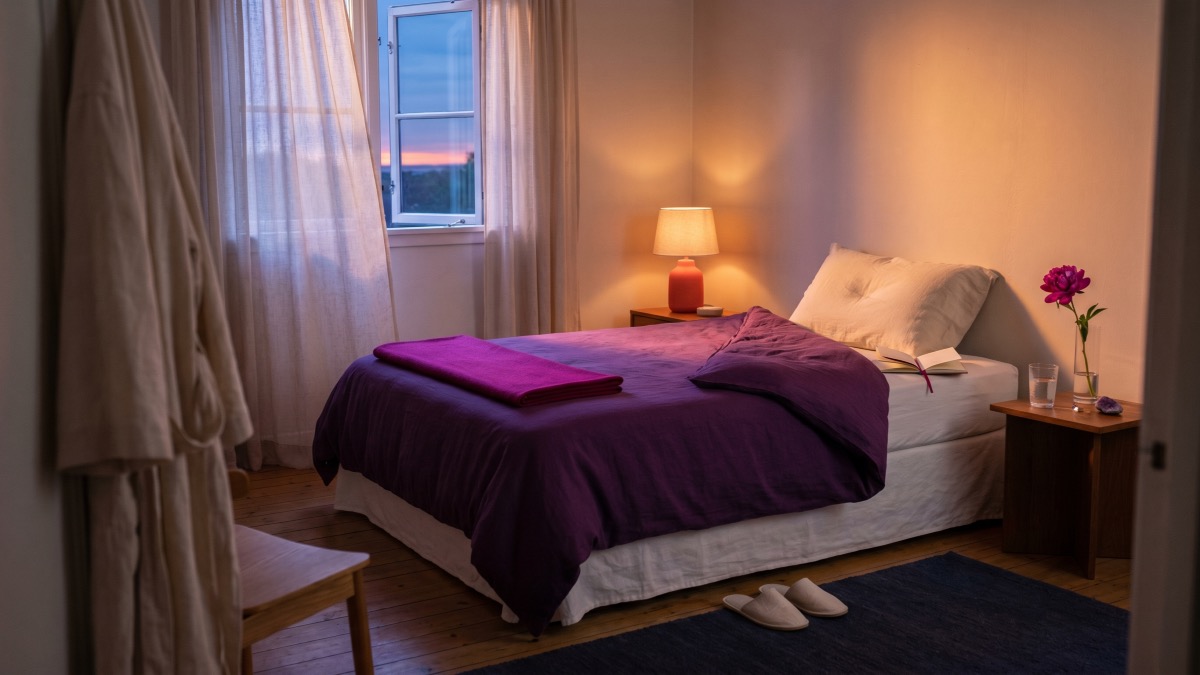
The Ideal Bedroom Temperature for Sleep (It's 65°F / 18°C Here's Why)
The Ideal Bedroom Temperature for Sleep: The Best Bedroom Temperature for Sleep Is 65°F / 18°C — Here’s Why The best bedroom temperature for sleep is about 65°F / 18°C, with an ideal range of 64–67°F / 18–19°C for most adults. That number is not random. Your body is biologically designed to cool do

What Time Should You Stop Drinking Coffee for Better Sleep?
What Time Should You Stop Drinking Coffee for Better Sleep? When to stop drinking coffee for better sleep? For most people, the best caffeine cutoff time is noon. That means no regular coffee, espresso, energy drinks, pre-workout, or strong caffeinated tea after 12:00 p.m. if your goal is deeper, m

Sleep Hygiene: 21 Habits Backed by Science to Transform Your Sleep
Sleep Hygiene: 21 Habits Backed by Science to Transform Your Sleep Sleep hygiene is not about forcing yourself to fall asleep, lying in bed with your eyes squeezed shut, or “trying harder” to rest. It is the set of daily habits, evening rituals, and bedroom conditions that make high-quality sleep e