
Sleep Hygiene: 21 Habits Backed by Science to Transform Your Sleep
Sleep Hygiene: 21 Habits Backed by Science to Transform Your Sleep Sleep hygiene is not about forcing yourself to fall asleep, lying in bed with your eyes squeezed shut, or “trying harder” to rest. It is the set of daily habits, evening rituals, and bedroom conditions that make high-quality sleep e
Sleep Hygiene: 21 Habits Backed by Science to Transform Your Sleep
Sleep hygiene is not about forcing yourself to fall asleep, lying in bed with your eyes squeezed shut, or “trying harder” to rest. It is the set of daily habits, evening rituals, and bedroom conditions that make high-quality sleep easier, more natural, and more predictable.
If your nights feel inconsistent, your energy crashes in the afternoon, or your mind switches on the moment your head hits the pillow, the problem may not be your willpower. It may be friction: too much light at night, caffeine too late, stress left unprocessed, an overheated bedroom, irregular wake times, or habits that confuse your circadian rhythm.
The good news is that sleep can often improve dramatically when you change the environment around it. In this guide, you will get a practical, science-backed sleep hygiene checklist built around 21 habits you can install gradually. You do not need to do all 21 at once. Start with the highest-impact habits, build consistency, and let your body relearn what safe, deep rest feels like.
What you’ll learn:
- What sleep hygiene really means and why it matters more than willpower
- How light, caffeine, stress, temperature, alcohol, and timing affect sleep quality
- The 21 healthy sleep habits to use from morning to bedtime
- Common sleep hygiene mistakes that quietly destroy progress
- How to build a sustainable routine using a 21-day habit method
- A scannable sleep hygiene checklist you can follow tonight
What Is Sleep Hygiene? Why It Matters More Than Willpower
Sleep hygiene is the collection of behaviors, routines, and environmental choices that support healthy sleep. It includes what you do during the day, how you spend the evening, what your bedroom feels like, and how you respond when you cannot sleep.
Many people think of sleep as a switch: you get into bed, close your eyes, and sleep should happen. But biologically, sleep is more like a landing sequence. Your brain needs the right signals: darkness, a cooler body temperature, a calm nervous system, low stimulation, consistent timing, and enough sleep pressure built throughout the day.
The “try harder to sleep” myth
One of the most frustrating truths about sleep is that effort can backfire. The more you pressure yourself to sleep, the more alert your brain becomes. This is why people with racing thoughts often feel sleepy on the couch, then wide awake in bed. The bed has become associated with performance, frustration, or worry.
Good sleep hygiene removes that struggle. Instead of trying to command sleep, you create conditions where sleep is the natural next step.
Good sleep hygiene is a signal system
Your body responds to signals. Morning sunlight tells your circadian clock that the day has started. Dim lights in the evening tell your brain that night is approaching. A warm shower followed by cooling helps your core body temperature drop. Journaling tells your mind that open loops can wait until tomorrow.
These cues work best when repeated. A single night of good habits may help, but consistent sleep hygiene trains your brain to recognize a reliable pattern.
Why sleep hygiene matters right now
Modern life is uniquely hostile to sleep. Screens extend daylight into midnight. Caffeine is socially normal in the afternoon. Work stress follows us into bed. Alcohol is often used as a sleep aid even though it fragments sleep. Bedrooms are filled with LEDs, notifications, and temperature disruptions.
Research consistently links insufficient sleep with poorer attention, emotional regulation, immune function, metabolic health, and long-term wellbeing. Adults are generally advised to get at least seven hours of sleep per night, yet many fall short or spend enough time in bed without getting restorative sleep.
The opportunity is simple: by improving sleep hygiene, you can often improve sleep quality without complicated tools, expensive devices, or extreme routines. A few small changes, repeated nightly, can create a meaningful transformation.
For a broader overview of sleep improvement strategies, you can also read Astrara’s guide on how to sleep better. This article focuses specifically on the habit checklist: what to do, when to do it, and why it works.
The Science of Sleep Hygiene: How Habits Hijack Your Circadian Rhythm
To understand why sleep hygiene works, you need to understand two biological forces: your circadian rhythm and your sleep pressure. Together, they determine when you feel alert, when you feel sleepy, and how deeply you sleep once you drift off.
Your circadian rhythm is your internal clock
Your circadian rhythm is a roughly 24-hour biological cycle that influences body temperature, hormone release, digestion, alertness, and sleep timing. It is strongly guided by light exposure. Morning light helps anchor your rhythm earlier, while bright light at night can delay melatonin release and make bedtime feel unnaturally late.
Melatonin is often called the “sleep hormone,” but it is more accurately a darkness signal. It tells your body that night has arrived. When your evening environment is bright, stimulating, or inconsistent, melatonin timing can shift later, making it harder to feel sleepy at your intended bedtime.
Sleep pressure builds the longer you are awake
Sleep pressure is largely driven by adenosine, a chemical that accumulates while you are awake. The longer you stay awake, the more sleep pressure builds. Sleep reduces that pressure. Caffeine works by blocking adenosine receptors, which is why it can make you feel alert even when your body is biologically tired.
This is why a noon caffeine cutoff matters. Caffeine’s half-life is commonly estimated around five to eight hours, meaning a meaningful amount may remain in your system at bedtime if you drink it too late. You may still fall asleep, but sleep depth and continuity can suffer.
Your nervous system must feel safe enough to sleep
Sleep is not just a brain event; it is a whole-body state. When stress hormones are elevated, your heart rate is high, or your mind is rehearsing tomorrow’s problems, the body receives a subtle “stay alert” message.
Practices like breathing exercises, body scans, journaling, gratitude, and calming aromatherapy are not magical sleep tricks. They are ways of shifting the nervous system away from threat monitoring and toward rest.
Temperature is one of the most underestimated sleep signals
Your core body temperature naturally drops as you prepare for sleep. A bedroom that is too warm can interfere with this drop and lead to restlessness, sweating, or frequent awakenings. Many sleep experts recommend a cool bedroom, often around 18–19°C, depending on personal comfort and bedding.
If temperature is a major issue for you, Astrara’s resource on the best bedroom temperature can help you fine-tune your sleep environment.
Sleep hygiene works because it stacks signals
No single habit guarantees perfect sleep. But when multiple cues point in the same direction, your body receives a stronger message. Morning sunlight anchors your clock. Exercise builds sleep pressure. A caffeine cutoff protects deep sleep. Dim lights allow melatonin to rise. Journaling reduces rumination. A cool, dark bedroom supports continuity.
That is the real power of sleep hygiene: it stacks small behaviors into a system that makes sleep easier to access and easier to maintain.
How to Use This Sleep Hygiene Checklist Without Getting Overwhelmed
A list of 21 habits can feel exciting and intimidating at the same time. The key is to treat these habits as a menu, not a moral scorecard. You are not “failing” if you do not complete every item every night. Sleep hygiene is a practice of reducing friction, not creating perfectionism.
Start with the highest-impact habits
If you are currently sleeping poorly, begin with the habits that influence your circadian rhythm and sleep pressure most strongly. For many people, these are:
- Getting morning sunlight within 30 minutes of waking
- Cutting off caffeine by noon
- Keeping a consistent wake time
- Dimming lights and reducing screens before bed
- Cooling and darkening the bedroom
- Getting out of bed if awake too long
These habits work because they address the major biological levers of sleep: light, timing, alertness, temperature, and learned associations.
Think in time zones, not random tasks
The easiest way to build healthy sleep habits is to organize them by time of day. This guide uses five simple zones:
- Evening habits: the daytime foundations that affect tonight’s sleep
- Pre-bedtime ritual: the 2–3 hour transition out of stimulation
- Wind-down: the final hour before bed
- In bed: what to do once you are under the covers
- Next morning: the habit that sets up tomorrow night
This structure prevents a common mistake: waiting until bedtime to solve a sleep problem that started at 2 p.m. Sleep quality is shaped across the entire day.
Use the 80% rule
You do not need perfect sleep hygiene. You need consistent enough signals. If you follow your routine 80% of the time, your body still receives a predictable pattern. This is especially important for parents, shift workers, frequent travelers, entrepreneurs, and anyone with unpredictable evenings.
Measure outcomes, not just actions
Tracking whether you completed the habits is useful, but the real goal is improvement in how you feel and function. Monitor:
- Time it takes to fall asleep
- Number of nighttime awakenings
- Morning energy
- Afternoon crashes
- Mood and irritability
- Consistency of wake time
If you want structured support, the 21-Day Sleep Mastery Challenge is designed to help you install these habits gradually instead of trying to change everything overnight.
The 21-Habit Sleep Hygiene Checklist
This is the core sleep hygiene framework: 21 habits organized by timing. Each habit includes what to do, why it works, and what measurable outcome to look for. Use it as a practical checklist, not a rigid rulebook.
Evening Habits: 12 Hours Before Bed
1. Set a caffeine cutoff at noon
Caffeine can remain active for hours because its half-life is commonly estimated at five to eight hours. That means a 3 p.m. coffee may still be affecting your brain at 10 p.m. For better sleep hygiene, set a caffeine cutoff around noon, especially if you are sensitive, anxious, or prone to waking at night. Choose decaf, herbal tea, or water after lunch.
Measurable outcome: after one week, look for faster sleep onset and fewer restless awakenings, even if you previously believed caffeine “didn’t affect you.”
2. Exercise daily, but finish intense workouts by 6 p.m.
Daily movement improves sleep pressure, mood regulation, metabolic health, and stress resilience. Even brisk walking can help you sleep more deeply. However, intense late-night training can raise body temperature, adrenaline, and heart rate too close to bedtime. Aim for regular exercise, but finish vigorous sessions by early evening when possible. Gentle stretching or yoga can remain part of your wind-down.
Measurable outcome: track whether you feel physically tired but not wired at bedtime. Over two weeks, consistent movement often improves sleep depth and morning energy.
3. Front-load hydration
Hydration supports circulation, temperature regulation, and overall wellbeing, but drinking too much late at night can cause bathroom awakenings. A practical sleep hygiene tip is to drink roughly half your daily water before noon and taper later in the day. Stop large amounts of fluids about 90 minutes before bed, while taking small sips if thirsty.
Measurable outcome: fewer nighttime bathroom trips and fewer awakenings caused by thirst or discomfort. This habit is especially helpful if you regularly wake between 2 a.m. and 4 a.m. to urinate.
Pre-Bedtime Ritual: 2–3 Hours Before Bed
4. Eat a lighter dinner and finish 3–4 hours before bed
A heavy, late meal can keep digestion active when your body should be shifting toward sleep. Large portions, high-fat foods, spicy meals, and late sugar can increase discomfort, reflux, or temperature disruption. Aim for a satisfying but lighter dinner, ideally finished three to four hours before bed. If you truly need something later, choose a small, simple snack.
Measurable outcome: less reflux, reduced bloating, fewer awakenings, and a calmer transition into sleep. This does not require strict dieting; it is about timing and digestive ease.
5. Take a 10–20 minute post-dinner walk
A gentle walk after dinner supports digestion, blood sugar regulation, and mental decompression. It also creates a helpful transition between the productivity of the day and the restoration of the evening. Keep the pace relaxed, not athletic. If possible, avoid bright urban lights or wear blue-light-blocking lenses in very bright environments.
Measurable outcome: improved digestion, less evening restlessness, and a smoother wind-down. This habit is particularly useful for people who finish work late and need a physical cue that the day is ending.
6. Take a lukewarm shower 60–90 minutes before bed
A shower or bath before bed can support sleep by helping your body release heat afterward. The key is timing and temperature. A lukewarm shower 60–90 minutes before bed warms the skin, encourages blood flow to the extremities, and may help core body temperature drop as you cool down. Avoid very hot showers immediately before bed if they leave you flushed or alert.
Measurable outcome: sleepiness increases naturally after the shower, and your body feels cooler by the time you get into bed.
7. Create a screen curfew or use blue-light filters
Screens affect sleep in two ways: light exposure and mental stimulation. Blue-enriched light can delay melatonin signaling, while emails, news, social media, and videos keep the mind engaged. The best option is a screen curfew 60–90 minutes before bed. If that is unrealistic, use night shift settings, blue-light filters, dim brightness, and avoid emotionally charged content.
Measurable outcome: less bedtime procrastination, fewer racing thoughts, and stronger natural sleepiness. Good sleep hygiene does not require abandoning technology; it requires boundaries around it.
8. Lower lights to amber or warm tones
Your brain interprets bright overhead light as a daytime signal. In the evening, switch to lamps, amber bulbs, candles, or warm dim lighting. This helps your body recognize that night is approaching and supports melatonin timing. A useful rule is: if your home looks like an office at 9 p.m., it is probably too bright for sleep.
Measurable outcome: you begin feeling sleepy earlier and more predictably. This habit is simple, inexpensive, and powerful because light is one of the strongest circadian cues.
9. Skip alcohol close to bedtime
Alcohol may make you feel sleepy, but sedation is not the same as natural sleep. Alcohol can fragment sleep, suppress REM sleep early in the night, increase awakenings later, worsen snoring, and reduce overall sleep quality. If you drink, consider limiting quantity and finishing several hours before bed. For deeper detail, read Astrara’s guide to alcohol and sleep. Measurable outcome: fewer 3 a.m. wake-ups, better dream recall, steadier mood, and more refreshed mornings. This habit can produce noticeable changes quickly.
Wind-Down: 1 Hour Before Bed
10. Set your bedroom temperature to 18–19°C
A cool bedroom supports the natural drop in core body temperature that helps initiate and maintain sleep. Many people sleep best around 18–19°C, though bedding, clothing, hormones, and climate matter. If you wake sweaty, restless, or thirsty, your room may be too warm. Use breathable bedding, fans, cracked windows, or temperature control where available. Measurable outcome: fewer awakenings, less tossing and turning, and deeper sleep continuity. Temperature is one of the most overlooked parts of good sleep hygiene.
11. Follow the two-activity bedroom rule
Your bedroom should be associated with sleep and intimacy, not work, scrolling, conflict, or entertainment. This is called stimulus control: training your brain to link bed with sleepiness instead of alertness. Avoid answering emails, watching intense shows, or problem-solving in bed. If your space is small, create visual boundaries such as a chair for reading and a separate spot for work. Measurable outcome: over time, getting into bed begins to trigger sleepiness rather than mental activation. This is especially important for insomnia patterns.
12. Eliminate light leaks
Even small light sources can disrupt sensitive sleepers. Check for glowing chargers, alarm clocks, router lights, hallway gaps, streetlights, and thin curtains. Use blackout curtains, electrical tape over LEDs, a door draft blocker, or a comfortable sleep mask. Darkness reinforces melatonin signaling and reduces micro-awakenings caused by visual stimulation. Measurable outcome: fewer early-morning awakenings and a stronger sense of sleeping “through” the night. This habit is simple but often transformative, especially in cities or shared homes.
13. Choose pink noise or silence
Your sound environment should be predictable. Sudden noises can trigger brief awakenings even if you do not fully remember them. Some people sleep best in silence; others benefit from pink noise, white noise, a fan, or soft nature sounds. Pink noise has more balanced lower frequencies than white noise and may feel gentler. Keep volume low and consistent. Measurable outcome: fewer awakenings from traffic, neighbors, pets, or household noise. The goal is not loud masking; it is a stable sound floor.
14. Diffuse lavender or calming aromatherapy
Scent can become a powerful sleep cue when used consistently. Lavender is commonly associated with relaxation and has been studied for its calming effects in some sleep contexts. Use a diffuser, pillow spray, or diluted essential oil safely and lightly. Avoid overwhelming scents, and be cautious around pets, children, pregnancy, asthma, or sensitivities. Measurable outcome: your brain begins to associate the aroma with winding down. Aromatherapy works best as part of a routine, not as a standalone cure for poor sleep hygiene.
15. Do a 5-minute brain dump or worry journal
Many people do not struggle with sleepiness; they struggle with mental clutter. A five-minute brain dump externalizes unfinished tasks, worries, reminders, and emotional loops. Write everything down without editing. Then choose one next action for tomorrow, if needed. This reassures the brain that nothing important will be forgotten. Measurable outcome: fewer racing thoughts after lights out and less urge to problem-solve in bed. Journaling is one of the most practical sleep hygiene tips for stress-driven wakefulness.
16. Write three specific gratitudes
Gratitude shifts attention away from threat scanning and toward safety, sufficiency, and connection. The key is specificity. Instead of “I’m grateful for my family,” write, “I’m grateful my sister called me during lunch and made me laugh.” This gives the mind a concrete positive memory to revisit.
Measurable outcome: a calmer emotional tone before sleep and reduced rumination. Gratitude does not deny real stress; it balances the nervous system so your brain does not enter the night focused only on problems.
In Bed: What to Do Once the Lights Are Out
17. Practice nasal breathing only
Nasal breathing warms, filters, and humidifies air while supporting slower, steadier breathing. Mouth breathing at night can contribute to dry mouth, snoring, and fragmented sleep in some people. As you settle into bed, gently close your lips and breathe through your nose if comfortable. If nasal congestion makes this difficult, address allergies, humidity, or medical causes. Measurable outcome: calmer breathing, less dry mouth, and potentially fewer disruptions. Do not force nasal breathing if you feel air hunger; comfort matters.
18. Use 4-7-8 breathing or coherent breathing
Breathing exercises help shift attention away from thought loops and toward the body. With 4-7-8 breathing, inhale for four, hold for seven, and exhale for eight. With coherent breathing, breathe at roughly six breaths per minute, often five seconds in and five seconds out. Choose the method that feels calming rather than stressful. Learn more in Astrara’s guide to 4-7-8 breathing. Measurable outcome: slower heart rate, reduced tension, and a smoother transition into sleep.
19. Do a body scan from feet to head
A body scan guides attention through the body, helping release tension and interrupt mental rumination. Start at your toes and slowly move upward: feet, calves, knees, thighs, hips, abdomen, chest, shoulders, arms, jaw, eyes, and forehead. Notice sensations without trying to control them. Relax each area gently.
Measurable outcome: less physical tension, fewer spiraling thoughts, and a more embodied sense of calm. Body scans work well because they give the mind a task that is soothing but not stimulating.
20. If awake for more than 20 minutes, get up briefly
If you are awake too long, staying in bed can train your brain to associate bed with frustration. The “20-minute rule” is a stimulus control technique: if you cannot sleep after roughly 20 minutes, get up and do something quiet in dim light, such as reading something calm. Return only when sleepy. Avoid checking the clock obsessively.
Measurable outcome: over time, bed becomes linked with sleep rather than struggle. This habit is especially important for people with chronic insomnia patterns.
Next Morning: The Habit That Sets Up Tonight
21. Get 10–15 minutes of sunlight within 30 minutes of waking
Morning sunlight is one of the most powerful sleep hygiene habits because it anchors your circadian rhythm. Outdoor light tells your brain the day has started, helping set the timing for melatonin release later that night. Aim for 10–15 minutes outside within 30 minutes of waking. Cloudy days still provide useful light, though you may need more time.
Measurable outcome: more consistent energy in the morning and sleepiness arriving at a more predictable evening time. Tonight’s sleep starts with this morning’s light.
Sleep Hygiene Mistakes That Destroy Your Progress
Even people who care deeply about sleep often make small mistakes that undermine their progress. The frustrating part is that these errors are usually invisible. You may feel like you are “doing everything right” while one or two habits quietly keep your nervous system alert.
1. Treating sleep hygiene like a one-night fix
Good sleep hygiene is cumulative. One perfect evening cannot immediately reverse months or years of inconsistent signals. Many habits need several days or weeks to produce noticeable changes. Morning sunlight, caffeine timing, and stimulus control become more powerful through repetition.
Action tip: commit to a seven-night experiment before judging whether a habit works. Track a few simple markers: bedtime, wake time, caffeine cutoff, screen curfew, and morning energy.
2. Using alcohol as a sleep aid
Alcohol can create the sensation of falling asleep faster, but it often damages the architecture of sleep. People frequently wake in the second half of the night as alcohol is metabolized. Sleep may become lighter, more fragmented, and less restorative.
Action tip: compare two weekends: one with alcohol near bedtime and one without. Notice awakenings, dreams, heart rate, mood, and morning clarity.
3. Keeping the bedroom too warm
A cozy room may feel pleasant before bed, but overheating can disrupt sleep continuity. If you wake frequently, throw blankets off, sweat, or feel parched, temperature may be a hidden culprit.
Action tip: lower your room temperature slightly for three nights and use breathable layers instead of one heavy blanket.
4. Trying to solve insomnia while staying in bed
If your bed becomes the place where you worry, calculate sleep hours, check the clock, and fight wakefulness, the brain learns the wrong association. Staying in bed for hours awake can make the problem stronger.
Action tip: use the 20-minute rule gently. Get up, keep lights low, do something boring or calming, and return when sleepy.
5. Changing everything at once
A complete lifestyle overhaul may feel motivating for two days, then collapse under real-life pressure. Sustainable sleep hygiene is built through habit stacking, not perfection.
Action tip: choose three habits this week: one morning habit, one evening habit, and one bedroom habit. Add more only when those feel easy.
If you want a guided structure, the 21-Day Sleep Mastery Challenge helps you build these habits in a realistic order.
How to Build a Sustainable Sleep Hygiene Routine With the 21-Day Method
The best sleep hygiene routine is the one you can actually repeat. A routine that looks impressive but collapses after four nights is less useful than a simple routine you can maintain for months. That is why a 21-day method works so well: it gives your brain enough repetition to form associations while keeping the process manageable.
Week 1: Stabilize your biological clock
Start with the circadian foundations. Your goal is to send your body clear morning and evening signals.
- Get sunlight within 30 minutes of waking
- Cut caffeine by noon
- Dim lights in the evening
- Set a consistent target bedtime and wake time
- Cool and darken the bedroom
Do not worry about perfect meditation, journaling, or advanced techniques yet. Week 1 is about rhythm. When your clock becomes more predictable, every later habit works better.
Week 2: Calm the nervous system
Once your timing cues are more consistent, add habits that reduce mental and physical arousal.
- Take a post-dinner walk
- Use a lukewarm shower 60–90 minutes before bed
- Write a five-minute brain dump
- List three specific gratitudes
- Practice breathing for three to five minutes in bed
This week is especially helpful if your sleep problems are stress-related. You are teaching your mind that the day has a closing ritual.
Week 3: Refine your environment and response patterns
In the final week, focus on sleep continuity and the way you respond to wakefulness.
- Remove light leaks
- Adjust sound with silence, fan, pink noise, or earplugs
- Use lavender or another calming scent as a cue
- Practice the two-activity bedroom rule
- Use the 20-minute rule if awake too long
By the end of 21 days, your routine should feel less like a checklist and more like a familiar sequence. This is the goal: not discipline forever, but automaticity.
Make the routine flexible
Life will interrupt your routine. Travel, children, deadlines, social events, and stress happen. Instead of abandoning the system, create a minimum version:
- No caffeine after noon
- Dim lights for 30 minutes
- Cool, dark bedroom
- Three minutes of breathing
- Morning sunlight the next day
This “minimum viable routine” keeps your sleep hygiene alive even on imperfect days.
Expert Sleep Hygiene Tips and Pro Strategies
Once you understand the basics, the next level is personalization. Sleep hygiene is not one-size-fits-all. Your chronotype, stress level, work schedule, health conditions, and environment all influence which habits matter most.
Use “anchor habits” instead of relying on motivation
An anchor habit is a behavior that automatically triggers the next behavior. For example:
- After I brush my teeth, I write my brain dump.
- After I turn on my bedside lamp, I dim all overhead lights.
- After I set my alarm, I place my phone outside the bedroom.
- After I open the curtains in the morning, I step outside for sunlight.
This reduces decision fatigue. You no longer ask, “Should I do my sleep routine?” The routine begins because the anchor happened.
Use sleep tracking carefully
Wearables and sleep apps can be useful for spotting patterns, but they can also create anxiety. If checking your sleep score makes you feel tense, use subjective tracking instead. Rate your sleep quality, energy, and mood from 1 to 5. You do not need perfect data to improve your sleep hygiene.
Avoid the “revenge bedtime procrastination” trap
Many people stay up late not because they are careless, but because nighttime feels like the only personal time they control. If this is you, the solution is not self-criticism. Build small moments of autonomy earlier in the day: a walk, meditation, journaling, music, or phone-free lunch. Astrara’s personal development tools, including journaling, meditation, and breathwork, are designed for exactly this kind of daily reset. You can explore the app at Astrara.
Know when sleep hygiene is not enough
Sleep hygiene is powerful, but it is not a replacement for medical care. If you have loud snoring, gasping, restless legs, panic attacks, severe insomnia, depression, chronic pain, or excessive daytime sleepiness despite enough time in bed, consider speaking with a qualified healthcare professional. Conditions like sleep apnea or clinical insomnia may require targeted treatment.
Recommended tools
- Blackout curtains: for streetlights and early sunrise
- Amber bulbs: for evening light control
- Analog alarm clock: to keep your phone away from bed
- Journal: for brain dumps and gratitude
- Breathwork timer: for coherent breathing
- Sleep mask or earplugs: for travel or shared spaces
The pro strategy is simple: make the right behavior easier than the wrong one.
Sleep Hygiene for Different Sleep Challenges
The same 21 habits can help many people, but your starting point should depend on your specific sleep pattern. Below are practical ways to prioritize habits based on what you experience most often.
If you cannot fall asleep
Focus on reducing alertness before bed. Your priority habits are the caffeine cutoff, screen curfew, warm lighting, brain dump, breathing, and body scan. You may also need the 20-minute rule if bed has become associated with frustration.
- Stop stimulating work at least one hour before bed
- Write tomorrow’s top three tasks before entering the bedroom
- Use coherent breathing instead of scrolling
If you wake up in the middle of the night
Middle-of-the-night awakenings can be influenced by alcohol, stress, temperature, light leaks, noise, hydration timing, and blood sugar swings. Start by skipping alcohol near bedtime, cooling the room, reducing late fluids, and removing LEDs.
- Keep the room dark if you wake
- Avoid checking the time
- Use quiet breathing rather than problem-solving
If you wake too early
Early waking can be caused by light exposure, stress hormones, sleep timing, alcohol, or simply going to bed too early for your sleep need. Blackout curtains and a sleep mask can help, especially in summer or urban environments.
- Block morning light leaks
- Keep wake time consistent
- Avoid going to bed before you are truly sleepy
If you feel tired despite sleeping enough
If you spend seven to nine hours in bed but still feel exhausted, look at sleep quality. Alcohol, overheating, snoring, inconsistent timing, and stress can all reduce restoration. If fatigue persists, consider medical evaluation to rule out sleep disorders or other health issues.
- Track awakenings and morning energy
- Ask a partner about snoring or breathing pauses
- Review caffeine, alcohol, and bedroom temperature
For more ongoing education, visit the Astrara blog for practical personal development, mindfulness, and wellbeing resources.
Step-by-Step Sleep Hygiene Routine for Tonight
If you want a simple action plan, start here. This is a condensed routine you can use tonight without overthinking the full 21 habits.
- Choose your wake time. Pick the time you will wake tomorrow and plan backward. Pro tip: consistency matters more than a perfect bedtime.
- Stop caffeine by noon tomorrow. If it is already evening, set the rule for the next day. Pro tip: replace afternoon coffee with herbal tea or a short walk.
- Finish dinner early. Aim to stop eating three hours before bed. Pro tip: if hungry later, choose a small, simple snack.
- Dim your environment. Turn off overhead lights and use warm lamps. Pro tip: set an evening alarm called “lower lights.”
- Prepare your bedroom. Cool the room, block light leaks, and reduce noise. Pro tip: do this before you feel sleepy.
- Write a brain dump. Spend five minutes unloading worries and tasks. Pro tip: end by writing one next step for tomorrow.
- Use breathwork in bed. Try 4-7-8 breathing or six breaths per minute. Pro tip: do not force it; comfort is the goal.
- Get up if sleep does not come. If awake too long, leave bed briefly and return when sleepy. Pro tip: keep lights dim and avoid your phone.
- Get sunlight tomorrow morning. Step outside within 30 minutes of waking. Pro tip: pair it with coffee, walking, or journaling.
For a guided implementation plan, join the 21-Day Sleep Mastery Challenge and install the habits one layer at a time.
Sleep Hygiene Checklist: 21 Habits Summary Table
Use this table as your printable or saveable sleep hygiene checklist. Start with three habits, then add more as they become automatic.
Habit Time of Day Time Required
| 1. Caffeine cutoff at noon | Morning / early afternoon | 0 minutes
| 2. Daily exercise, intense sessions finished by 6 p.m. | Daytime | 20–45 minutes
| 3. Front-load hydration, taper 90 minutes before bed | All day | 0–2 minutes
| 4. Light dinner, finished 3–4 hours before bed | Evening | Meal timing
| 5. Post-dinner walk | After dinner | 10–20 minutes
| 6. Lukewarm shower | 60–90 minutes before bed | 10 minutes
| 7. Screen curfew or blue-light filters | 60–90 minutes before bed | 0 minutes
| 8. Lower lights to amber or warm tones | Evening | 1 minute
| 9. Skip alcohol near bedtime | Evening | 0 minutes
| 10. Set bedroom temperature to 18–19°C | 1 hour before bed | 1–3 minutes
| 11. Bedroom for sleep and intimacy only | Night | Ongoing
| 12. Eliminate light leaks | Before bed | 2–10 minutes
| 13. Choose pink noise or silence | Before bed | 1 minute
| 14. Use lavender or calming aromatherapy | Wind-down | 1–2 minutes
| 15. Brain dump / worry journal | Wind-down | 5 minutes
| 16. Write three specific gratitudes | Wind-down | 2–3 minutes
| 17. Practice nasal breathing | In bed | 1–5 minutes
| 18. 4-7-8 or coherent breathing | In bed | 3–5 minutes
| 19. Body scan from feet to head | In bed | 5–10 minutes
| 20. Get up if awake more than 20 minutes | During the night | As needed
| 21. Morning sunlight within 30 minutes of waking | Next morning | 10–15 minutes
Conclusion: Better Sleep Hygiene Starts With One Habit Tonight
Sleep hygiene is not a punishment, a rigid routine, or another standard you have to meet perfectly. It is a compassionate system for making sleep easier. When you reduce friction during the day, lower stimulation at night, and create a bedroom that supports rest, your body can return to what it already knows how to do.
Key takeaways:
- Sleep hygiene works by aligning your habits with your biology.
- Morning light, caffeine timing, evening darkness, temperature, and stress regulation are high-impact levers.
- You do not need all 21 habits immediately; start with three and build gradually.
- The best routine is repeatable, flexible, and calming.
- A 21-day structure can help turn sleep hygiene tips into automatic healthy sleep habits.
Tonight, choose one habit: dim the lights, write a brain dump, cool the room, or put your phone away. Tomorrow morning, get sunlight. Small signals, repeated consistently, can transform your nights.
If you are ready for a structured path, start the 21-Day Sleep Mastery Challenge and build your sleep hygiene routine step by step.
Frequently Asked Questions
What is poor sleep hygiene?
Poor sleep hygiene means your daily habits or sleep environment are working against healthy sleep. Common examples include drinking caffeine late in the day, using bright screens in bed, keeping an irregular sleep schedule, drinking alcohol close to bedtime, sleeping in a warm or noisy room, working from bed, or staying in bed for hours while awake. Poor sleep hygiene does not mean you are lazy or undisciplined. It usually means your body is receiving mixed signals about when to be alert and when to rest. Improving sleep hygiene means making those signals clearer and more consistent.
How long does it take to fix sleep hygiene?
Some sleep hygiene changes can help within one or two nights, such as cooling the bedroom, blocking light, or skipping alcohol. Other habits, like morning sunlight, caffeine timing, and stimulus control, often need one to three weeks of consistency before you notice a stable difference. A 21-day approach works well because it gives your circadian rhythm and nervous system repeated cues. If your sleep problems are long-standing, stress-related, or linked to a medical condition, progress may take longer and may require additional support beyond sleep hygiene.
Can good sleep hygiene cure insomnia?
Good sleep hygiene can significantly improve sleep for many people, especially when poor habits or environmental factors are contributing to the problem. However, it may not fully cure chronic insomnia by itself. Clinical insomnia often involves conditioned arousal, anxiety about sleep, irregular sleep drive, or underlying health factors. Evidence-based approaches such as cognitive behavioral therapy for insomnia may be needed. That said, sleep hygiene is still a valuable foundation. It reduces common obstacles and supports other treatments by creating a more sleep-friendly routine and environment.
Do I need to do all 21 habits?
No. You do not need to do all 21 habits to improve your sleep hygiene. In fact, trying to change everything at once can create stress and reduce consistency. Start with the habits most relevant to your sleep issue. If you struggle to fall asleep, focus on caffeine cutoff, dim lights, screen boundaries, journaling, and breathing. If you wake often, prioritize alcohol reduction, room temperature, darkness, sound, and hydration timing. Once a few habits become automatic, add more. The goal is progress, not perfection.
What is the most impactful single sleep hygiene habit?
If you can choose only one habit, start with morning sunlight within 30 minutes of waking. Morning light is a powerful circadian cue that helps set the timing for alertness during the day and melatonin release at night. However, the “best” single habit depends on your current pattern. If you drink coffee at 4 p.m., caffeine cutoff may be more urgent. If your room is hot and bright, environmental changes may produce faster results. For most people, morning sunlight plus a consistent caffeine cutoff is a strong starting combination.
How do I track my sleep hygiene improvement?
Track simple markers rather than obsessing over perfect data. Each morning, write down your bedtime, wake time, estimated time to fall asleep, number of awakenings, morning energy, and mood. You can also track whether you completed key habits such as caffeine cutoff, dim lights, journaling, and morning sunlight. Wearables can be helpful for trends, but avoid becoming anxious about sleep scores. The most important signs of improvement are falling asleep more easily, waking less often, feeling more refreshed, and having steadier energy during the day.
What are the best sleep hygiene tips for beginners?
The best beginner sleep hygiene tips are simple and high impact: get sunlight soon after waking, stop caffeine by noon, dim lights in the evening, keep screens out of bed, cool the bedroom, and write down worries before sleep. These habits address the most common sleep disruptors without requiring a complicated routine. Beginners should avoid trying to create a perfect two-hour ritual immediately. Choose three habits and repeat them for one week. Once they feel easier, add another habit. Consistency beats intensity when building healthy sleep habits.
Is sleep hygiene the same as a bedtime routine?
Sleep hygiene includes a bedtime routine, but it is broader. A bedtime routine usually refers to what you do in the final 30–60 minutes before sleep, such as reading, stretching, journaling, or breathing. Sleep hygiene includes the entire 24-hour pattern that affects sleep: morning light, exercise, caffeine timing, hydration, meal timing, alcohol, stress management, bedroom temperature, darkness, and how you respond when awake at night. In other words, your bedtime routine is one part of your sleep hygiene system.
Does screen time really affect sleep hygiene?
Yes, screen time can affect sleep hygiene through both light and stimulation. Bright, blue-enriched light can delay the body’s nighttime signaling, while emotionally engaging content keeps the brain alert. Work emails, social media, news, and fast-paced videos can all increase cognitive arousal. That does not mean you must eliminate screens completely. A practical approach is to set a screen curfew 60 minutes before bed or use strong dimming, warm filters, and low-stimulation content. The biggest rule is to keep your phone out of bed whenever possible.
What should I do if I wake up at 3 a.m.?
If you wake at 3 a.m., keep the lights low, avoid checking the time, and do not reach for your phone. Try slow nasal breathing or a gentle body scan. If you remain awake for what feels like 20 minutes, get out of bed and do something quiet and boring in dim light until sleepiness returns. Common causes of 3 a.m. waking include alcohol, stress, overheating, light leaks, late fluids, and conditioned insomnia. Review your evening routine to identify patterns instead of treating each awakening as random.
Can naps ruin good sleep hygiene?
Naps can help or hurt depending on timing, duration, and your sleep needs. A short nap of 10–20 minutes early in the afternoon can improve alertness without severely reducing nighttime sleep pressure. Long naps, late naps, or irregular napping can make it harder to fall asleep at night. If you have insomnia, it may help to avoid naps temporarily while rebuilding stronger sleep pressure. If you nap, keep it brief and before mid-afternoon. Track whether naps affect your bedtime sleepiness or nighttime awakenings.
When should I get professional help for sleep problems?
Consider professional help if sleep problems persist despite consistent sleep hygiene, or if you experience loud snoring, gasping, choking, restless legs, panic at night, severe daytime sleepiness, chronic insomnia, depression, or reliance on alcohol or medication to sleep. Sleep hygiene is a strong foundation, but some conditions require medical evaluation or targeted therapy. Sleep apnea, restless legs syndrome, circadian rhythm disorders, anxiety, depression, and chronic pain can all disrupt sleep. Getting support is not a failure; it is often the fastest path to truly restorative rest.
Expert Quotes on Sleep Hygiene
Here are three insightful quotes from experts and authors on the importance of sleep hygiene and habits backed by science. These emphasize how proper sleep routines can transform health and well-being.
"Sleep is the single most effective thing we can do to reset our brain and body health each day."
Matthew Walker, author of Why We Sleep: Unlocking the Power of Sleep and Dreams
"The shorter your sleep, the shorter your life. The leading causes of disease and death in developed nations, diseases that are crippling health-care systems, such as heart disease, obesity, dementia, diabetes, and cancer, all have recognized causal links to a lack of sleep."
Matthew Walker, neuroscientist and author of Why We Sleep: Unlocking the Power of Sleep and Dreams
"We are living in the middle of a sleep deprivation crisis, and it’s time to rethink the role of sleep in our lives."
Arianna Huffington, author of The Sleep Revolution: Transforming Your Life, One Night at a Time
Recommended Books on Sleep Hygiene
Below are five highly recommended books that delve into science-backed habits for improving sleep hygiene. Each includes practical advice, research insights, and strategies to transform your sleep routine.
- Why We Sleep: Unlocking the Power of Sleep and Dreams by Matthew Walker
A comprehensive exploration of sleep science, explaining how habits like consistent bedtime routines and avoiding screens can enhance sleep quality and overall health, backed by extensive research. - The Sleep Revolution: Transforming Your Life, One Night at a Time by Arianna Huffington
This book discusses cultural attitudes toward sleep and provides actionable habits, such as creating a relaxing pre-bed ritual, to combat sleep deprivation and improve daily performance. - Sleep Smarter: 21 Essential Strategies to Sleep Your Way to a Better Body, Better Health, and Bigger Success by Shawn Stevenson
A practical guide offering 21 science-supported habits, including optimizing your sleep environment and nutrition, to boost energy, productivity, and wellness through better sleep. - The Promise of Sleep: A Pioneer in Sleep Medicine Explores the Vital Connection Between Health, Happiness, and a Good Night's Sleep by William C. Dement and Christopher Vaughan
Written by a sleep medicine pioneer, this book covers evidence-based habits like maintaining a sleep schedule and managing stress to prevent sleep disorders and promote restorative rest. - The Sleep Solution: Why Your Sleep is Broken and How to Fix It by W. Chris Winter
A neurologist's perspective on fixing common sleep issues with habits grounded in science, such as light exposure management and cognitive behavioral techniques for insomnia.
Written by
Didier
Related Posts
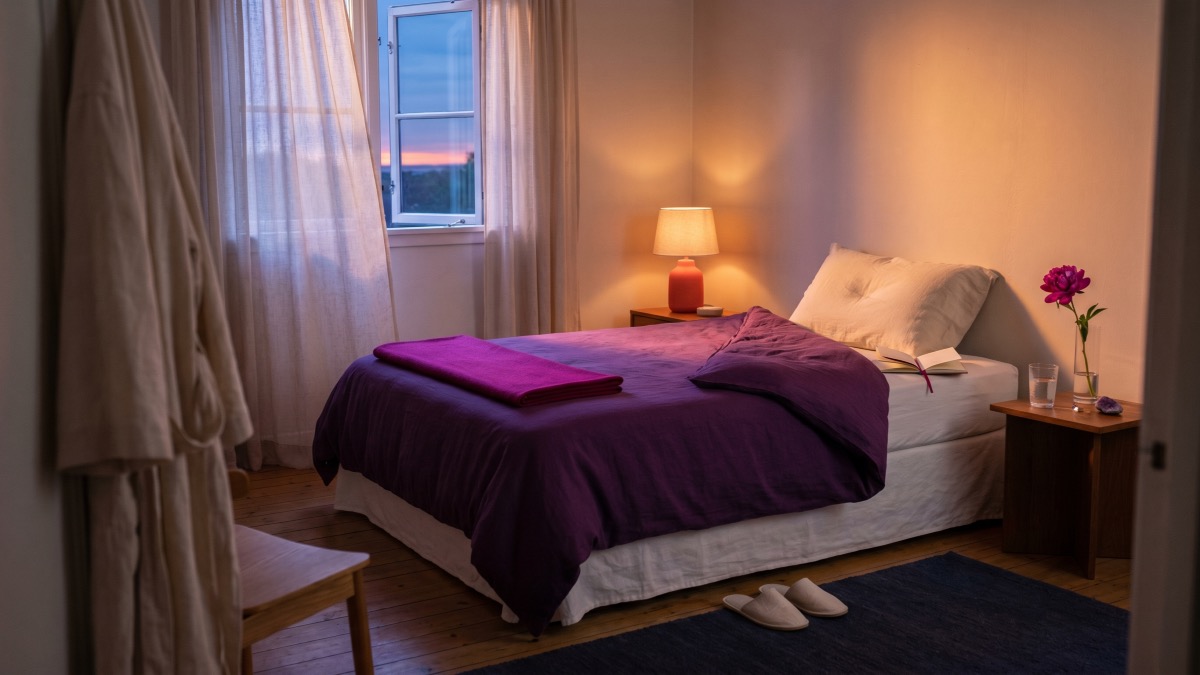
The Ideal Bedroom Temperature for Sleep (It's 65°F / 18°C Here's Why)
The Ideal Bedroom Temperature for Sleep: The Best Bedroom Temperature for Sleep Is 65°F / 18°C — Here’s Why The best bedroom temperature for sleep is about 65°F / 18°C, with an ideal range of 64–67°F / 18–19°C for most adults. That number is not random. Your body is biologically designed to cool do

What Time Should You Stop Drinking Coffee for Better Sleep?
What Time Should You Stop Drinking Coffee for Better Sleep? When to stop drinking coffee for better sleep? For most people, the best caffeine cutoff time is noon. That means no regular coffee, espresso, energy drinks, pre-workout, or strong caffeinated tea after 12:00 p.m. if your goal is deeper, m

The 21-Day Sleep Mastery Challenge: Complete Science-Backed Program
The 21-Day Sleep Mastery Challenge: Complete Science-Backed ProgramOne in three adults reports sleeping poorly, and for many people, the problem is not a lack of desire, discipline, or "trying hard enough." It is the absence of a structured, science-backed system. The 21 day sleep challeng